

 By
By When most people hear the words wholesale business, they immediately think about FMCG, clothes, mobile accessories or electronics.
I used to think the same way.
But when I started looking deeper into how wholesale businesses actually work, I realized there are many smaller B2B categories that can be interesting opportunities. You don’t always have to compete with hundreds of wholesalers selling the exact same products.
Sometimes, the better opportunity is supplying a product that businesses need regularly but don’t want to spend time sourcing themselves.
That is what this article is about.
I have picked 15 wholesale business ideas in India that are more specific than the usual wholesale lists you see online. Some can be started with a few lakhs, while others require considerably more working capital.
For every idea, I’ll look at:
- Approximate starting investment
- Monthly operating costs
- Possible monthly revenue
- Example expected profit
- Who you can sell to
- Where I would source the products
- How I would find my first customers
Important: The revenue, cost and profit figures in this article are planning estimates, not guarantees. Actual results depend on your product, supplier pricing, sales volume, credit terms, inventory turnover, transportation and local market.
How Wholesale Actually Makes Money
Wholesale is not simply:
Buy cheap → Sell expensive → Make money.
There is another number I would pay very close attention to:
How quickly can I sell the inventory?
For example, imagine I buy ₹5 lakh worth of products and make a 15% gross margin.
That sounds good.
But if I need six months to sell that stock, my money is sitting inside inventory for six months.
On the other hand, another wholesaler might make only a 10% margin but sell the same inventory every month.
That business can potentially generate much more cash over the year.
So if I were starting a wholesale business, I would focus on:
Margin + demand + repeat orders + inventory turnover + payment collection.
That combination matters much more than simply finding a product with a “high margin.”
Let’s Start
1. Hotel & Hospitality Supplies Wholesale

This is one of the less obvious wholesale businesses I would personally investigate.
Instead of selling directly to consumers, I would supply hotels, resorts, hostels, serviced apartments and small hospitals with products they regularly need.
Products You Could Supply
- Bed sheets
- Towels
- Guest amenities
- Housekeeping products
- Laundry bags
- Hangers
- Dustbins
- Disposable slippers
- Kitchen linen
- Room accessories
The interesting part is repeat purchasing.
A hotel doesn’t buy these products once and disappear. It needs to replenish them.
Investment
₹3 lakh–₹8 lakh
Monthly Costs
₹20,000–₹60,000
This could include transportation, storage, staff, samples and sales expenses.
Revenue Example
Suppose I build 15 hotel customers and each purchases an average of ₹50,000 per month.
15 × ₹50,000 = ₹7.5 lakh revenue
If my average gross margin is around 12–18%, the business could generate approximately ₹90,000–₹1.35 lakh gross margin before operating expenses.
How I Would Find Customers
I would build a list of hotels within a 50–100 km radius and approach purchasing managers directly.
I would also offer a sample kit instead of simply saying:
“Sir, I sell hotel supplies.”
That conversation is much easier when I can physically show the products.
For sourcing, I would compare B2B suppliers and hospitality-specific marketplaces such as India Hospitality Hub,India.
2. Water Purifier & RO Consumables Wholesale
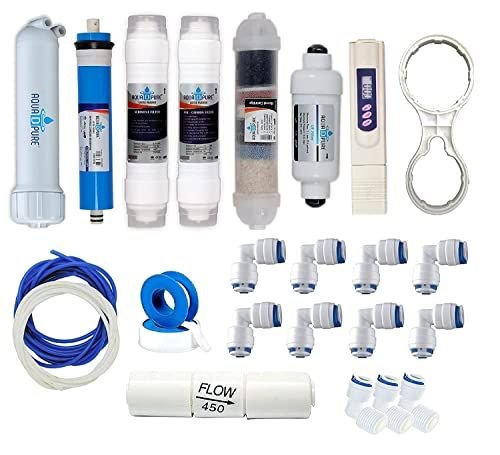
This is a business I find interesting because the products are consumable and need replacement.
Instead of selling complete RO machines, I would focus on replacement components.
Products You Could Supply
- RO membranes
- Sediment filters
- Carbon filters
- Filter housings
- Pumps
- Connectors
- Tubes
- UV components
- Water purifier spare parts
My customers could be local RO service technicians, water purifier dealers and appliance repair shops.
Investment
₹2 lakh–₹5 lakh
Monthly Costs
₹15,000–₹40,000
Revenue Example
If I supply 40 technicians or dealers who collectively purchase ₹5 lakh per month and I maintain a 15% gross margin:
₹5,00,000 × 15% = ₹75,000 gross margin
After operating expenses, the actual profit could be around ₹50,000–₹65,000.
Why I Like It
The customer doesn’t have to be convinced to buy something completely new.
The filter needs replacing.
That creates repeat demand.
For sourcing, I would compare water-treatment component suppliers and B2B marketplaces such as IndiaMART.
3. Industrial Fasteners Wholesale
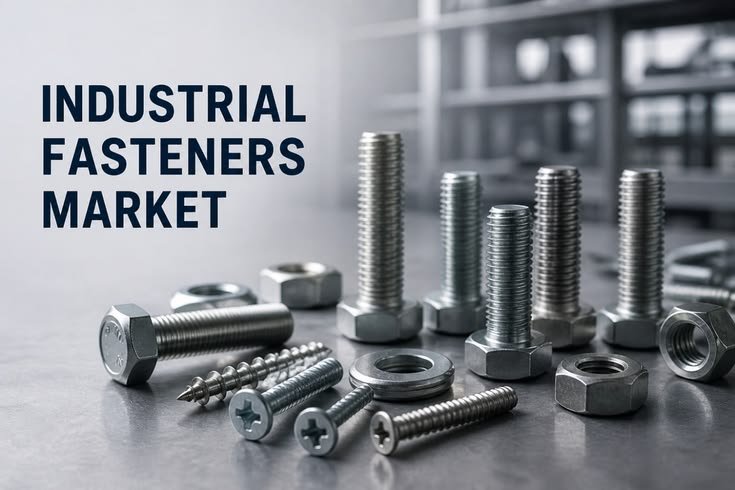
Bolts and nuts may sound boring.
That’s exactly why I find this category interesting.
Factories, workshops, fabricators, maintenance companies and engineering businesses constantly require fasteners.
Products You Could Supply
- Nuts
- Bolts
- Screws
- Washers
- Threaded rods
- Self-tapping screws
- Stainless-steel fasteners
- High-tensile fasteners
Investment
₹3 lakh–₹8 lakh
Monthly Costs
₹25,000–₹60,000
Revenue Example
A small B2B operation doing ₹8 lakh in monthly sales at a 12% gross margin would generate around:
₹8,00,000 × 12% = ₹96,000 gross margin
After transport, staff and other costs, an example operating profit could be around ₹60,000–₹75,000.
First Customers
I would approach:
- Fabrication workshops
- Engineering companies
- Machine manufacturers
- Construction contractors
- Automobile workshops
- Industrial maintenance companies
For supplier research, I would compare manufacturers and B2B supplier directories such as TradeIndia’s fastener category.
4. Bearings & Power Transmission Products
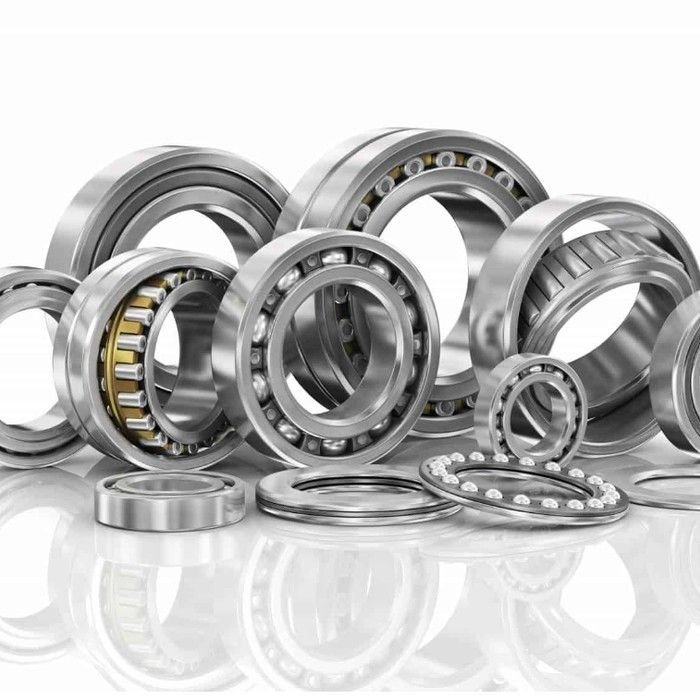
This is a more technical wholesale business, but that can actually be an advantage.
Factories and machines use bearings, belts, chains and other power-transmission components.
Products You Could Supply
- Ball bearings
- Roller bearings
- V-belts
- Timing belts
- Chains
- Couplings
- Oil seals
- Pulleys
Investment
₹5 lakh–₹12 lakh
Monthly Costs
₹30,000–₹80,000
Revenue Potential
₹8 lakh–₹15 lakh per month is a planning range for an established small distributor.
Expected Profit
Around ₹75,000–₹1.5 lakh per month in a good operating scenario.
The biggest thing I would learn before starting is product identification.
If a customer gives me a bearing number, I need to know exactly what I am selling.
That knowledge becomes part of my competitive advantage.
5. Welding Consumables Wholesale
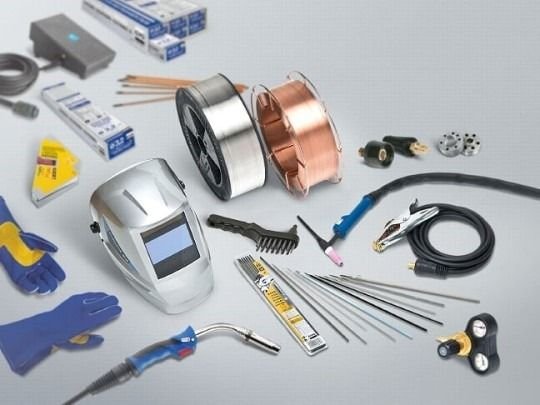
Instead of selling welding machines, I would look at the consumables used repeatedly.
Products You Could Supply
- Welding electrodes
- MIG wire
- TIG rods
- Cutting discs
- Grinding wheels
- Welding gloves
- Welding helmets
- Gas-related accessories
Investment
₹3 lakh–₹7 lakh
Monthly Costs
₹20,000–₹50,000
Revenue Potential
₹5 lakh–₹10 lakh per month
Expected Profit
Approximately ₹50,000–₹1 lakh per month after normal operating expenses in a successful small operation.
Customers
I would target:
- Fabrication shops
- Automobile workshops
- Engineering companies
- Metal manufacturers
- Construction contractors
The advantage is repeat purchasing.
A workshop that consumes welding electrodes doesn’t need to be convinced from zero every month.
6. Barcode Labels & Thermal Rolls Wholesale
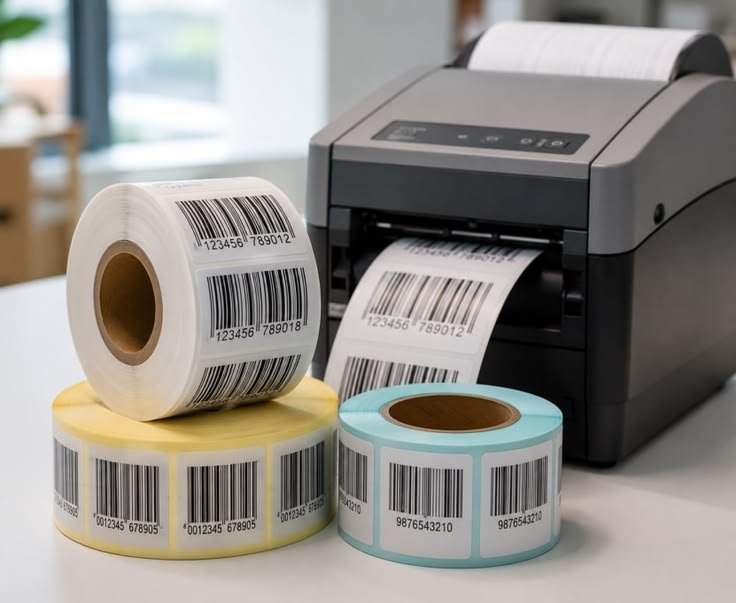
This is probably one of the most overlooked ideas on my list.
Think about how many businesses print:
- Bills
- Shipping labels
- Barcode labels
- Product stickers
- Weighing-machine labels
- POS receipts
The customers could include supermarkets, pharmacies, warehouses, courier companies, e-commerce sellers and retailers.
Investment
₹2 lakh–₹5 lakh
Monthly Costs
₹15,000–₹40,000
Revenue Potential
₹4 lakh–₹8 lakh per month
Example Profit
At ₹6 lakh monthly revenue and a 15% gross margin:
₹6,00,000 × 15% = ₹90,000 gross margin
After expenses, around ₹50,000–₹70,000 could be a planning example.
I particularly like this because the products are small, easy to store and relatively easy to transport.
7. EV Charging Accessories Wholesale
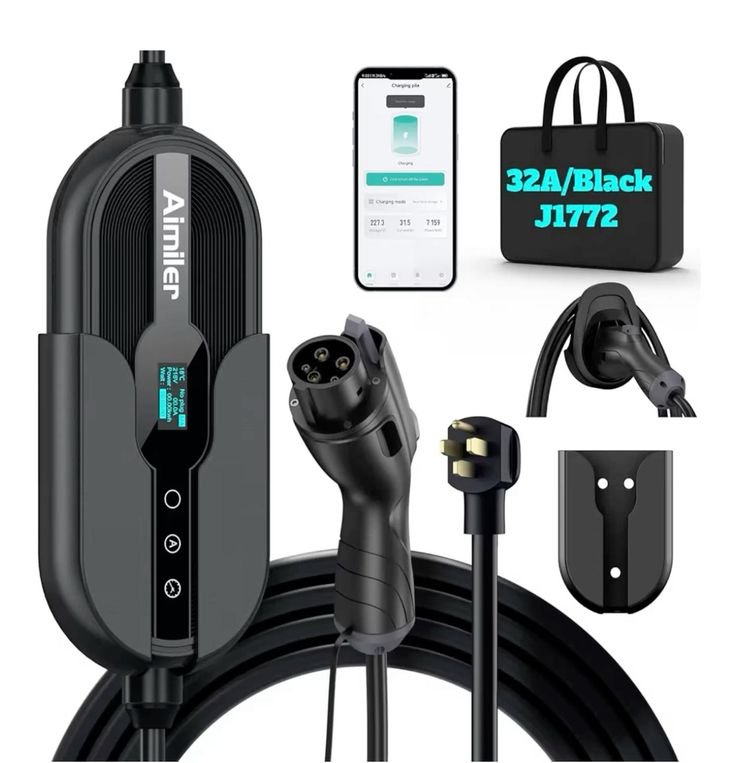
India’s EV ecosystem is creating demand not only for vehicles but also for the equipment around them.
Instead of trying to become an EV manufacturer, I would look at the B2B supply side.
Products You Could Supply
- Charging cables
- Connectors
- Charging guns
- Mounting accessories
- Protective equipment
- Cable management products
- Basic charging installation accessories
Investment
₹4 lakh–₹10 lakh
Monthly Costs
₹25,000–₹70,000
Revenue Potential
₹6 lakh–₹12 lakh per month
Example Profit
Approximately ₹60,000–₹1.5 lakh per month, depending heavily on product category and customer volume.
I would be particularly careful with technical specifications and product quality here.
For an electrical product, the cheapest supplier is not automatically the best supplier.
8. Solar BOS Components Wholesale
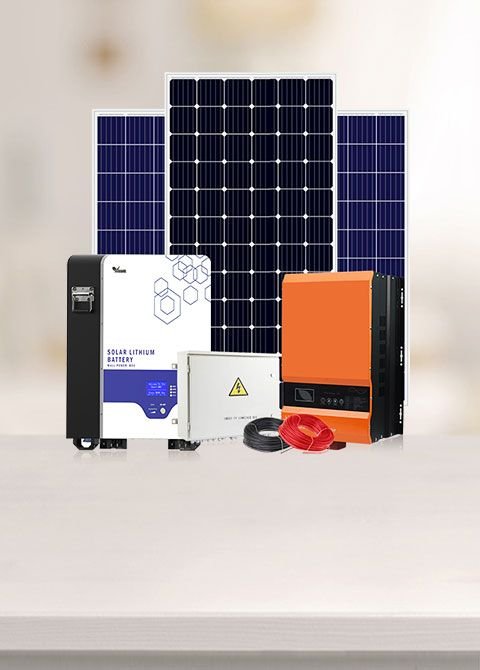
Solar panels get most of the attention.
But a solar installation needs much more than panels.
BOS means Balance of System.
Products You Could Supply
- Solar cables
- MC4 connectors
- Mounting accessories
- DC protection components
- Cable clips
- Junction boxes
- Earthing accessories
- Installation hardware
Investment
₹5 lakh–₹12 lakh
Monthly Costs
₹30,000–₹80,000
Revenue Potential
₹8 lakh–₹15 lakh per month
Example Profit
Approximately ₹75,000–₹1.5 lakh per month in a successful operation.
My target customers would be local solar installers rather than individual homeowners.
That gives me a B2B customer who can place multiple orders over time.
9. Nursery & Horticulture Supplies Wholesale
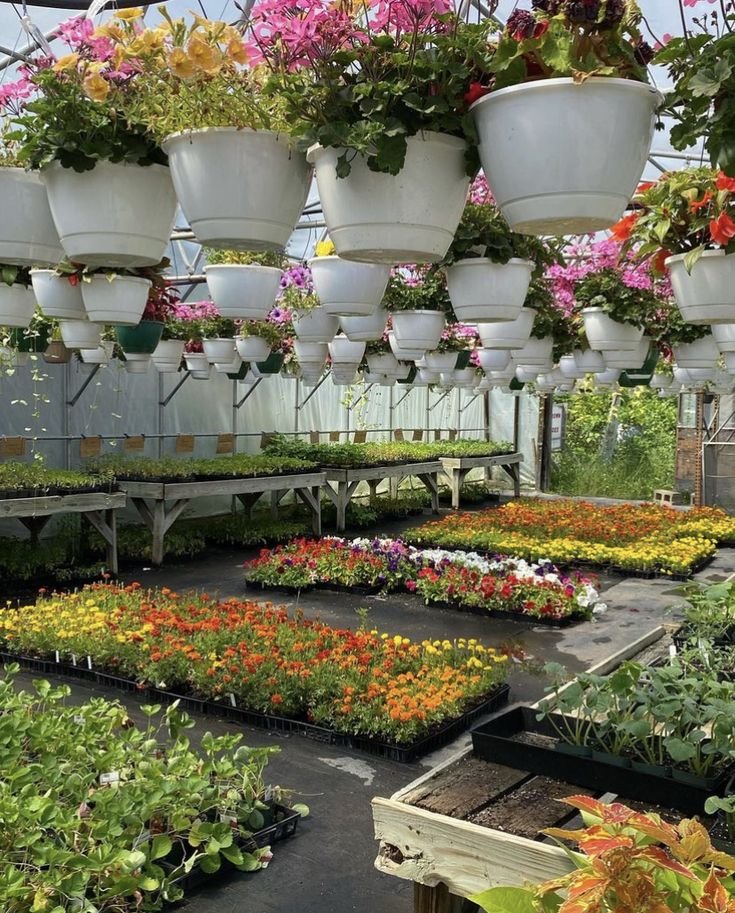
This is different from selling plants.
I would supply the people who grow and sell plants.
Products You Could Supply
- Nursery pots
- Grow bags
- Seedling trays
- Cocopeat
- Shade nets
- Plant support sticks
- Gardening accessories
- Drip accessories
- Labels
- Growing media
Investment
₹2 lakh–₹6 lakh
Monthly Costs
₹15,000–₹45,000
Revenue Potential
₹4 lakh–₹9 lakh per month
Expected Profit
Around ₹50,000–₹1 lakh per month as an illustrative range.
Customers
- Nurseries
- Landscaping companies
- Garden centres
- Farmers
- Terrace-garden businesses
- Plant sellers
I like this idea because many of the products are lightweight and don’t require a huge warehouse.
10. Commercial Laundry Supplies Wholesale
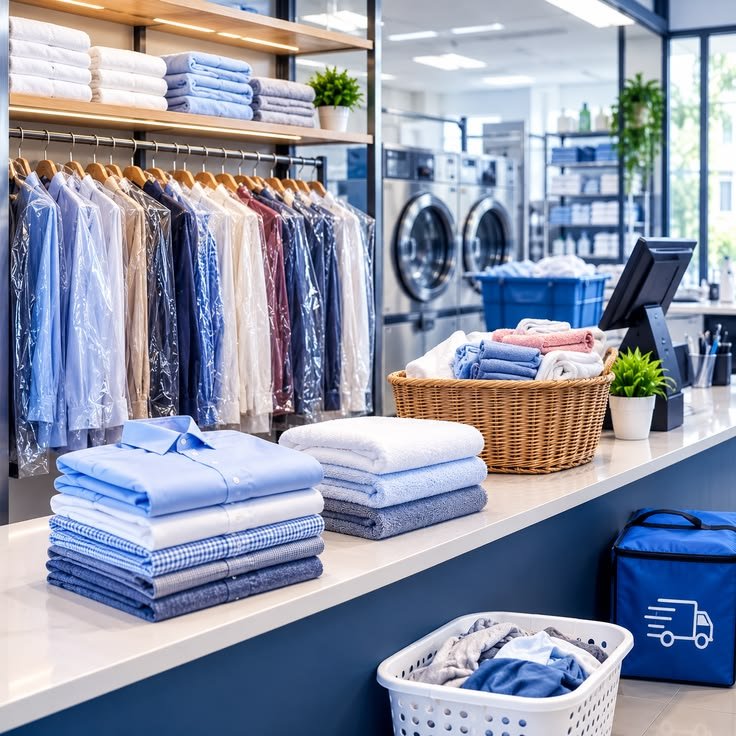
Hotels, hospitals, laundries, restaurants and hostels have a very different laundry requirement from an ordinary household.
Instead of selling consumer detergents, I would build a B2B supply business around commercial laundry operations.
Products You Could Supply
- Laundry chemicals
- Stain removers
- Fabric conditioners
- Laundry bags
- Gloves
- Measuring equipment
- Laundry accessories
- Commercial cleaning supplies
Investment
₹3 lakh–₹7 lakh
Monthly Costs
₹20,000–₹55,000
Revenue Potential
₹5 lakh–₹10 lakh per month
Profit Potential
Around ₹50,000–₹1.1 lakh per month in a successful small operation.
The key would be recurring institutional customers.
11. Restaurant Takeaway Supplies Wholesale

Restaurants don’t only need food ingredients.
They also need packaging every single day.
I would focus specifically on supplying restaurants, cloud kitchens, cafes and food stalls with:
- Food containers
- Paper cups
- Takeaway bags
- Aluminium containers
- Food wrapping materials
- Tissue paper
- Food-safe gloves
- Labels
- Delivery packaging
India’s food-service disposable market has been expanding, with demand supported by restaurants, food delivery and institutional users.
Investment
₹2 lakh–₹5 lakh
Monthly Costs
₹15,000–₹40,000
Revenue Potential
₹4 lakh–₹8 lakh per month
Example Profit
Approximately ₹40,000–₹90,000 per month after operating expenses.
I would sell this as a convenience service:
“Tell me what your restaurant uses every week and I’ll supply it regularly.”
That is much stronger than simply trying to sell boxes.
12. Water Treatment Consumables Wholesale

This is slightly different from the RO business.
Here I would target businesses that operate water-treatment systems.
Products You Could Supply
- Filter media
- Water-treatment chemicals
- Membranes
- Dosing components
- Filtration components
- Treatment-system consumables
Water-treatment suppliers already operate across industrial and commercial applications in India.
Investment
₹3 lakh–₹8 lakh
Monthly Costs
₹20,000–₹60,000
Revenue Potential
₹5 lakh–₹10 lakh per month
Expected Profit
Approximately ₹60,000–₹1.2 lakh per month, depending on product mix and customer contracts.
This is more technical than many of the other ideas, so I would learn the products before putting money into inventory.
13. Industrial Lubricants & Greases Wholesale
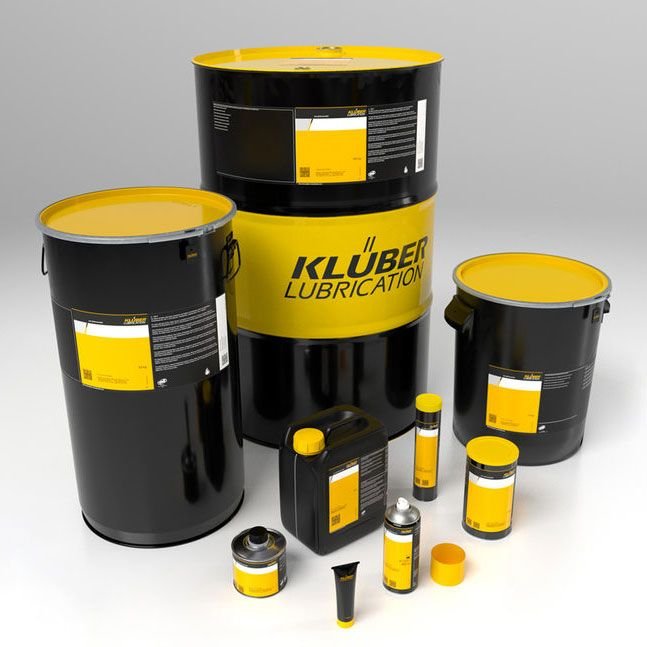
Machines need lubrication.
Factories, workshops, garages and industrial businesses regularly purchase lubricants, greases and related products.
I would focus on one niche instead of trying to stock everything.
For example:
Automotive workshops → industrial workshops → manufacturing units
Investment
₹4 lakh–₹10 lakh
Monthly Costs
₹25,000–₹70,000
Revenue Potential
₹6 lakh–₹12 lakh per month
Expected Profit
Around ₹60,000–₹1.3 lakh per month as an illustrative operating range.
The important part here is becoming a reliable supplier.
If a factory needs a particular lubricant every month, reliability can be more important than saving ₹5 on a container.
14. Packaging Machine Consumables Wholesale
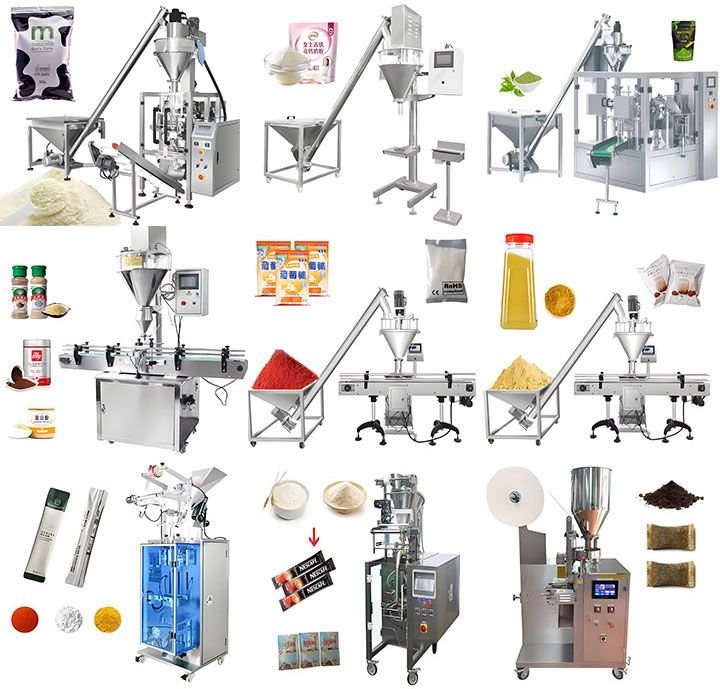
This is another niche I would consider instead of selling normal packaging products.
Many businesses use machines for packing and sealing.
They constantly need consumables such as:
- Packaging films
- Strapping materials
- Sealing tapes
- Machine belts
- Heating elements
- Vacuum packaging materials
- Printing ribbons
Investment
₹3 lakh–₹8 lakh
Monthly Costs
₹20,000–₹55,000
Revenue Potential
₹5 lakh–₹10 lakh per month
Expected Profit
Approximately ₹50,000–₹1.1 lakh per month.
Packaging-material suppliers already offer products such as films, boxes, bubble materials and industrial packaging products, so this category has an established B2B sourcing ecosystem.
15. Professional Cleaning Equipment Wholesale
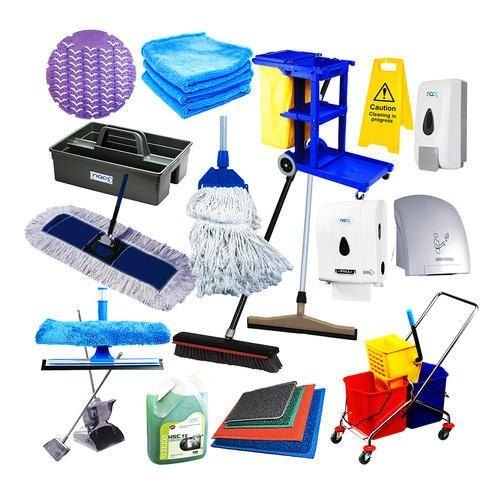
This is different from simply selling household cleaning products.
I would target businesses that need professional cleaning equipment.
Products You Could Supply
- Wet and dry vacuum cleaners
- Floor scrubbers
- Single-disc machines
- Pressure washers
- Cleaning trolleys
- Commercial mops
- Floor-cleaning equipment
- Replacement accessories
Investment
₹4 lakh–₹10 lakh
Monthly Costs
₹25,000–₹70,000
Revenue Potential
₹6 lakh–₹12 lakh per month
Expected Profit
Around ₹60,000–₹1.3 lakh per month, depending on equipment mix and sales volume.
Target Customers
- Facility-management companies
- Hotels
- Hospitals
- Schools
- Offices
- Shopping centres
- Industrial facilities
My Top 5 Picks
If I personally had to choose only five from this list, I wouldn’t simply choose the ones with the biggest revenue numbers.
I’d look at repeat orders, inventory risk, customer acquisition and capital requirements.
My five would be:
| Rank | Business | Why I Like It |
|---|---|---|
| 1 | Barcode Labels & Thermal Rolls | Small products + repeat B2B demand |
| 2 | Water Purifier & RO Consumables | Replacement-driven demand |
| 3 | Hotel & Hospitality Supplies | Repeat institutional orders |
| 4 | Industrial Fasteners | Large B2B customer base |
| 5 | Nursery & Horticulture Supplies | Growing niche with manageable inventory |
How I Would Find My First 10 Wholesale Customers
I wouldn’t start by spending ₹50,000 on advertising.
Wholesale is a B2B game, so I would go directly to businesses.
1. Google Maps
I’d search for:
- “Hotels near me”
- “Fabrication companies near me”
- “RO service near me”
- “Solar installers near me”
- “Restaurants near me”
Then I’d build a spreadsheet.
2. Direct Visits
For many wholesale categories, walking into a business and speaking to the owner or purchase manager can work better than posting Instagram Reels.
I’d carry:
- Product catalogue
- Price list
- Samples
- WhatsApp number
- Visiting card
3. WhatsApp
I would create a simple catalogue and send it only to relevant businesses.
Not spam.
If I sell hotel supplies, I don’t need 5,000 random WhatsApp contacts.
I need 50 hotel owners or purchase managers.
4. Local B2B Marketplaces
I would use B2B platforms to research manufacturers, compare prices and find potential suppliers.
IndiaMART is one example of a B2B marketplace that connects buyers and suppliers.
5. Build Relationships With Manufacturers
Once I know which products are moving, I would approach manufacturers directly.
My goal would eventually be:
Manufacturer → Me → Retailer/Business
instead of:
Manufacturer → Distributor → Sub-distributor → Me → Customer
Removing unnecessary layers can make a huge difference to margins.
The Biggest Wholesale Mistake I Would Avoid
I wouldn’t buy ₹5 lakh worth of inventory just because a supplier tells me:
“Sir, this product has very good margin.”
Margin doesn’t matter if the product doesn’t move.
Before purchasing, I’d ask:
Who exactly will buy this from me?
If I cannot name at least 20–30 potential customers, I would be very careful about putting serious money into inventory.
I’d rather make my first few sales with a smaller stock position and then increase inventory after seeing actual demand.
Wholesale Business: Revenue Is Not Profit
This is extremely important.
Suppose my wholesale business generates:
₹10 lakh revenue
and my gross margin is 15%.
Gross Margin
₹10,00,000 × 15% = ₹1,50,000
Now subtract:
- Staff
- Transport
- Warehouse
- Electricity
- Packaging
- Damaged stock
- Sales expenses
- Bad debts
- Software
- Other overheads
If those costs total ₹70,000, my approximate operating profit becomes:
₹1,50,000 − ₹70,000 = ₹80,000
So when I say a wholesale business can make ₹1 lakh per month, I don’t mean:
₹1 lakh sales.
I mean approximately ₹1 lakh remaining after the assumed operating costs.
That’s why I prefer showing the numbers instead of simply saying “high-profit wholesale business.”
GST, Udyam & Other Compliance
Before starting, I would check the exact requirements for my product category and state.
Some wholesale businesses have additional requirements.
For example, food distribution can involve FSSAI requirements, while certain medical, chemical, electrical or regulated products can have additional rules.
For MSME registration, I would use the official Government of India’s Udyam portal rather than paying an unofficial intermediary.
Official Udyam Registration: udyamregistration.gov.in
Always verify the current rules before starting because compliance requirements can change.
Frequently Asked Questions
1. Which wholesale business is best in India?
There isn’t one wholesale business that is automatically best for everyone.
I would look for a category with repeat B2B demand, manageable inventory, reliable suppliers and customers who pay on time.
For a beginner, smaller consumable categories such as barcode labels, thermal rolls, RO consumables or nursery supplies may be easier to test than a business requiring a large warehouse.
2. How much money do I need to start a wholesale business in India?
It depends heavily on the product category.
Some of the ideas in this article can potentially be tested with around ₹2 lakh–₹5 lakh, while technical or inventory-heavy categories may require ₹5 lakh–₹12 lakh or more.
I would not invest the entire amount into inventory on day one.
3. Is wholesale business profitable?
It can be profitable, but revenue alone does not tell me whether a wholesale business is actually making money.
Purchase price, selling price, operating expenses, inventory turnover, credit periods, transportation and bad debts all affect the final profit.
4. Which wholesale business can I start with ₹5 lakh?
With ₹5 lakh, I would look more closely at categories such as:
- Water purifier & RO consumables
- Barcode labels & thermal rolls
- Nursery & horticulture supplies
- Restaurant takeaway supplies
- Industrial fasteners
The right choice would depend on my location, existing contacts, product knowledge and access to suppliers.
5. How do I find wholesale customers?
I would start with direct B2B prospecting rather than spending heavily on advertising.
Google Maps, direct visits, WhatsApp catalogues, referrals, local business networks and B2B marketplaces can help me build an initial customer list.
The important thing is to target a specific type of buyer instead of trying to sell to everyone.
6. Is wholesale better than retail?
Wholesale and retail are different business models.
Wholesale can offer larger order values and repeat B2B customers, but it can also involve lower margins per unit, working-capital requirements and credit risk.
I would choose based on the type of business I want to build and the customer base I can realistically reach.
Final Verdict
After researching these ideas, one thing became clear to me:
The best wholesale business isn’t necessarily the product with the highest margin.
It is the product that businesses need repeatedly, that I can source reliably, and that I can sell without keeping too much money stuck in inventory.
If I were starting today, I would first choose a specific customer group and then choose the product.
For example:
Hotels → hospitality supplies
RO technicians → purifier consumables
Factories → fasteners
Restaurants → takeaway supplies
Nurseries → horticulture supplies
That’s the approach I like because I am not trying to sell everything to everyone.
I’m solving one specific purchasing problem for a specific type of business.
And in my opinion, that’s a much better starting point for a wholesale business in India.