 By
By Some business ideas sound so strange that your first reaction is probably:
“Who would actually pay for that?” 😂
And that’s exactly what makes them interesting.
We usually think successful businesses have to be serious. A restaurant, software company, clothing brand, coaching business, or marketing agency all make sense immediately.
But some entrepreneurs made millions by doing something much harder: taking an ordinary product, unusual experience, or strange problem and turning it into something people were willing to pay for.
I wanted to look beyond the usual “start a café” or “start a digital marketing agency” suggestions, so I researched unusual businesses that actually became commercially successful.
Some of these ideas are product businesses. Some are experiences. Some are subscription models. A few are genuinely bizarre.
And the interesting part is that most of them aren’t successful because they are weird.
They are successful because the weirdness makes people curious, while the business underneath it solves a problem, creates an experience, builds a strong brand, or gives customers something they can’t easily get elsewhere.
1. Private Pool Rental Platform
The idea
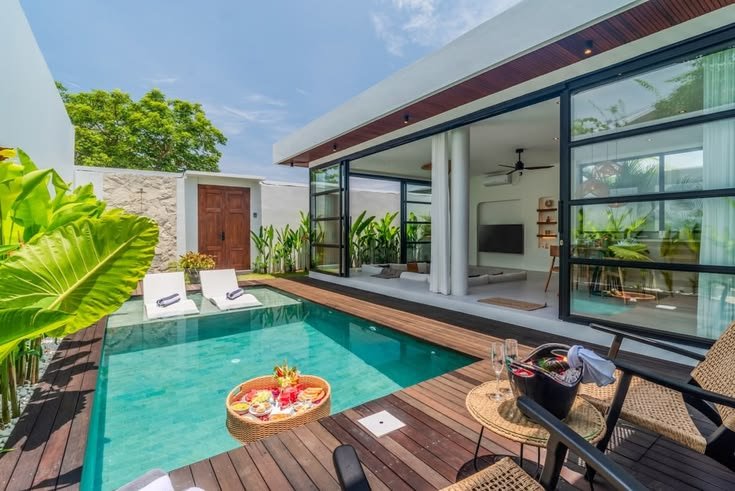
What if people could rent someone’s swimming pool for two or three hours instead of booking a hotel or paying for an expensive resort?
That is basically the idea behind Swimply.
The platform connects people who have private pools or other underused spaces with people who want to rent them by the hour. Swimply says it has more than 15,000 hosts and has hosted more than 4 million experiences.
The interesting part isn’t really the swimming pool.
It’s monetising something that already exists but is sitting unused.
Why I find it interesting
If I wanted to build something similar in India, I wouldn’t start by constructing a swimming pool.
I’d build the marketplace first.
For example, I could approach:
- Villa owners
- Farmhouse owners
- Private pool owners
- Resorts with unused daytime capacity
- Clubhouses
- Private sports facilities
Then take a commission from every booking.
My India startup estimate
Investment: ₹2–6 lakh
Monthly costs: ₹50,000–₹2 lakh
Possible revenue: ₹2–8 lakh/month
Possible profit: ₹50,000–₹2 lakh/month
The biggest expense wouldn’t necessarily be technology. Customer acquisition and trust would be the difficult part.
What I’d learn from this
Don’t always create a new asset.
Sometimes the better business is connecting people to an asset that already exists.
2. Goat Yoga
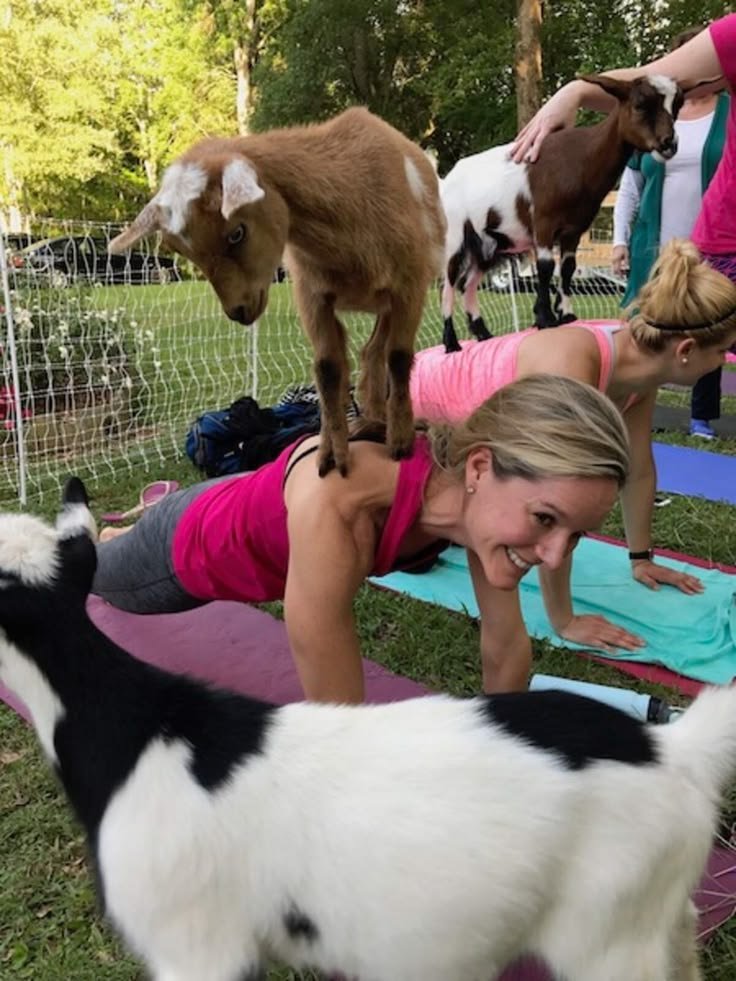
Yes, you read that correctly.
Goat yoga. 🐐🧘
People do yoga while friendly goats walk around the class.
It sounds like something invented for Instagram, but Original Goat Yoga became a real business. Founder Lainey Morse has said the business generated around $2 million in revenue during its successful years and expanded through partnerships with goat farms and multiple locations.
Why it worked
Yoga already had an audience.
Goats already attracted attention.
Put the two together and suddenly you have an experience people want to photograph, share and talk about.
That’s a powerful combination.
How I would adapt it in India
I wouldn’t necessarily buy goats immediately.
I’d partner with:
- Farms
- Resorts
- Petting farms
- Rural tourism businesses
- Wellness centres
Then organise weekend experiences.
My India startup estimate
Investment: ₹1–3 lakh
Monthly costs: ₹40,000–₹1.2 lakh
Possible revenue: ₹1.5–4 lakh/month
Possible profit: ₹40,000–₹1.5 lakh/month
My takeaway
Sometimes customers aren’t paying for the product.
They’re paying for the story they’ll tell afterward.
3. Ergonomic Bathroom Products
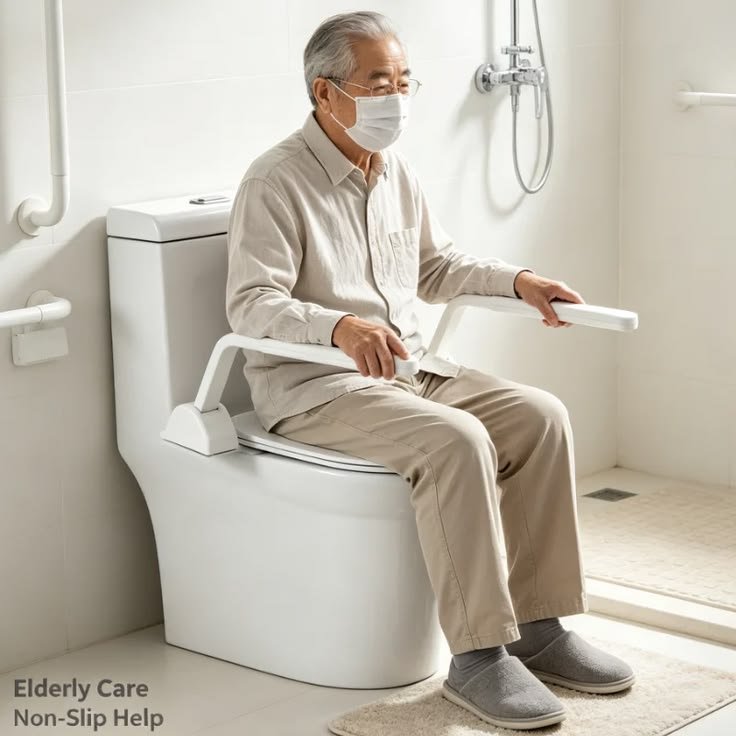
This is one of my favourite examples because the product is almost embarrassingly simple.
Squatty Potty sells a small stool designed to change the position of your legs while using the toilet.
The company says it has sold more than 8 million stools, while Entrepreneur reported that sales had already exceeded $15 million in 2015.
Think about that.
It’s basically a small bathroom stool.
Why I find this business clever
The product didn’t invent a completely new need.
It took an everyday activity and asked:
“Can we make this slightly better?”
That’s an excellent way to find product ideas.
How I would approach it
Instead of copying the exact product, I’d look for overlooked bathroom problems in India:
- Compact bathroom storage
- Elder-friendly bathroom accessories
- Travel bathroom products
- Anti-slip products
- Toilet organisation
- Space-saving bathroom accessories
My India startup estimate
Investment: ₹2–6 lakh
Monthly costs: ₹60,000–₹2 lakh
Possible revenue: ₹2–8 lakh/month
Possible profit: ₹40,000–₹1.8 lakh/month
My takeaway
You don’t need to invent something futuristic.
You can sometimes build a business by improving something people use every day.
4. Premium Eco-Friendly Toilet Paper
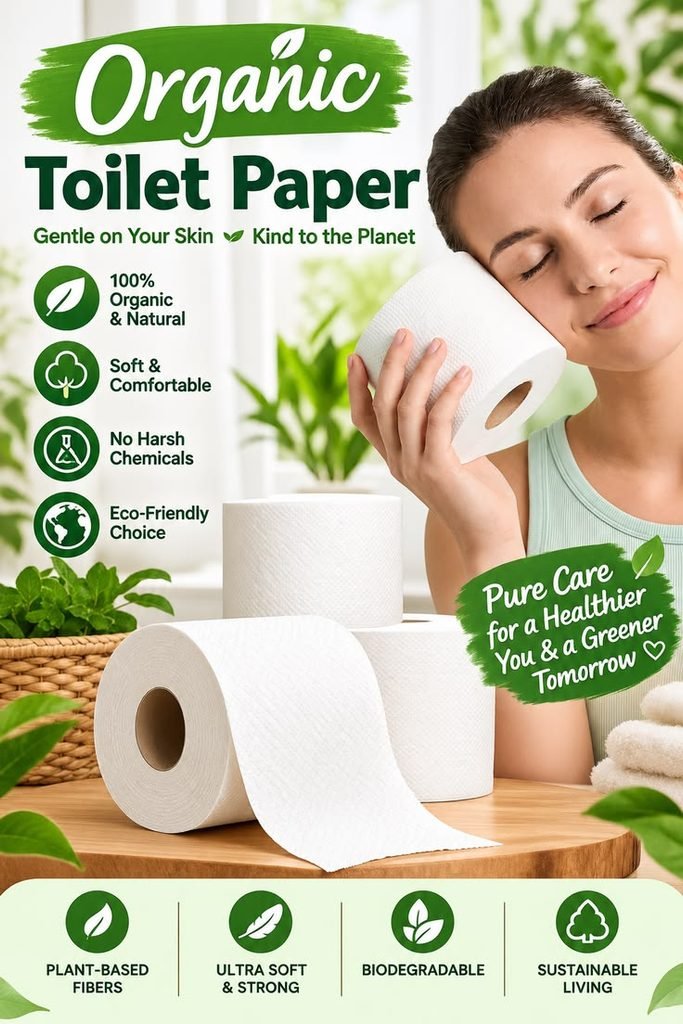
This is where branding gets really interesting.
Who Gives A Crap took one of the least glamorous products imaginable and turned it into a design-led, environmentally focused consumer brand.
The company sells recycled and bamboo toilet paper and donates 50% of profits to water, sanitation and hygiene organisations. Forbes reported in 2026 that the company had donated roughly A$20 million over its history.
The business also built a strong recurring-purchase model around a product people need repeatedly.
Why I like it
Toilet paper is boring.
The brand isn’t.
That’s the lesson.
How I would adapt it in India
I’d look at premium household consumables where customers normally don’t care about the brand.
For example:
- Eco-friendly tissues
- Bamboo kitchen towels
- Premium garbage bags
- Compostable cleaning products
- Sustainable bathroom products
My India startup estimate
Investment: ₹5–15 lakh
Monthly costs: ₹2–6 lakh
Possible revenue: ₹5–15 lakh/month
Possible profit: ₹75,000–₹3 lakh/month
I would probably use a contract manufacturer initially rather than building a factory.
5. Canned Water With a Completely Different Brand
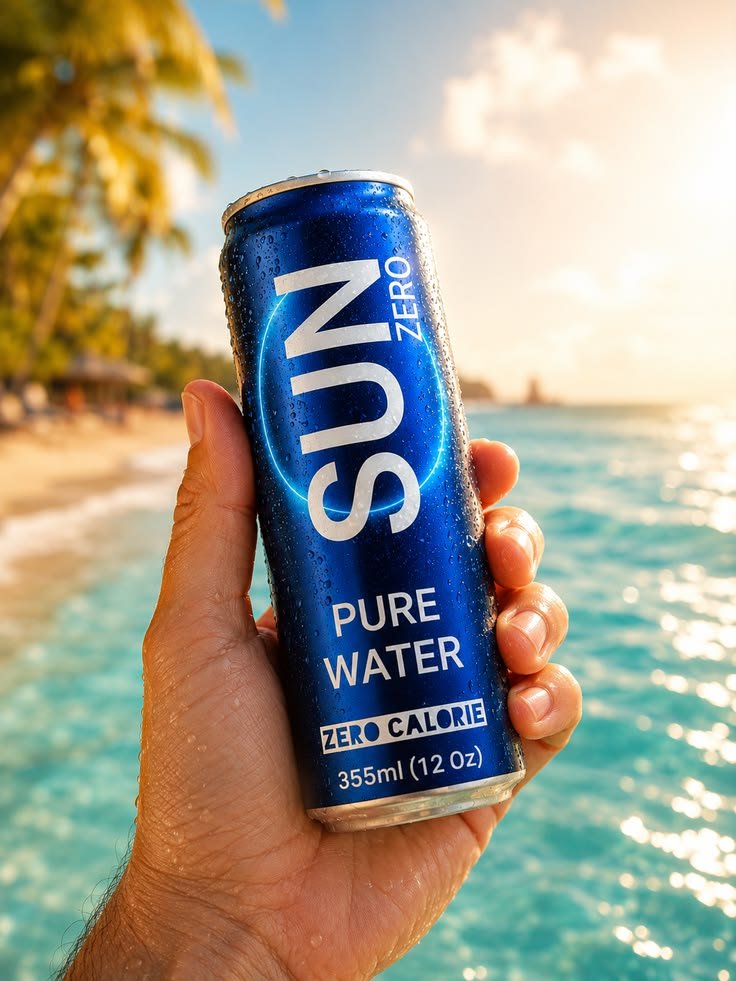
Water is one of the oldest products in the world.
So why would anyone buy Liquid Death?
Because the company didn’t market water like traditional bottled water.
It used aggressive branding, heavy-metal-style visuals and humour to make a boring category interesting.
The business grew to more than $100 million in annual revenue, according to The Information, while Forbes reported approximately $100 million in 2022 revenue.
The real business lesson
Liquid Death wasn’t selling water alone.
It was selling identity.
A customer could carry the can and communicate something about themselves.
What I’d do in India
I wouldn’t try to compete with established packaged-water companies immediately.
I’d look for a specific audience:
- Music festivals
- Gyms
- College events
- Gaming communities
- Corporate events
- Premium cafés
- Adventure tourism
The water could be ordinary.
The brand would be the unusual part.
My India startup estimate
Investment: ₹8–25 lakh
Monthly costs: ₹3–10 lakh
Possible revenue: ₹5–20 lakh/month
Possible profit: ₹75,000–₹4 lakh/month
6. A Premium Wet-Wipe Brand With Humour
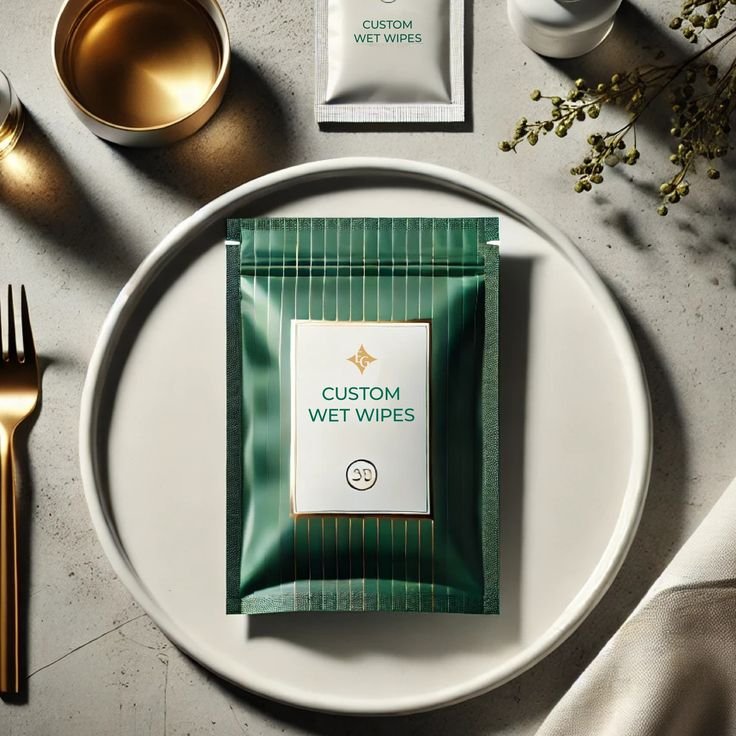
This is another business where the product itself isn’t particularly exciting.
DUDE Wipes took flushable wipes and created a brand specifically marketed toward men using irreverent bathroom humour.
And it became much bigger than a joke.
Inc reported in 2026 that the company had reached $1 billion in lifetime sales, while earlier reporting put the brand at more than $150 million in annual sales.
Why I find this fascinating
The product existed.
The category existed.
The competitors existed.
What changed was positioning.
How I’d adapt the idea
Instead of copying DUDE Wipes, I’d look for boring personal-care products that could be repositioned around a specific audience.
For example:
- Travel hygiene kits
- Gym hygiene products
- Men’s grooming wipes
- Outdoor hygiene kits
- Baby travel kits
- Motorcycle travel hygiene kits
My India startup estimate
Investment: ₹3–10 lakh
Monthly costs: ₹1–4 lakh
Possible revenue: ₹3–12 lakh/month
Possible profit: ₹50,000–₹2.5 lakh/month
7. Monthly Subscription Boxes for Dogs
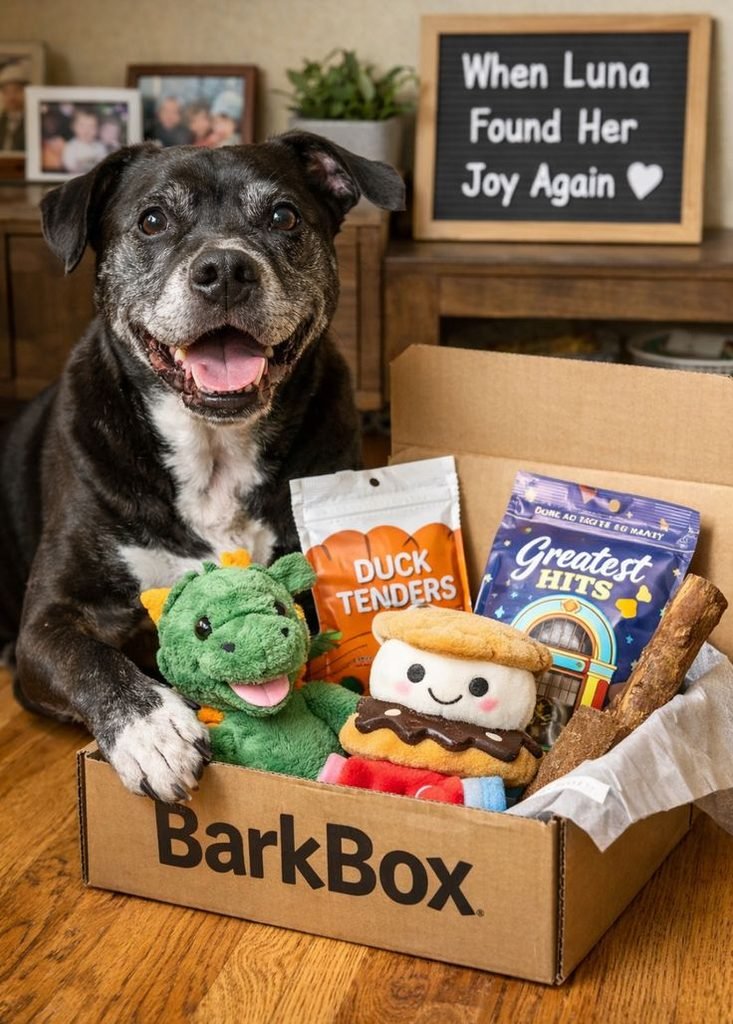
A box of dog toys delivered every month doesn’t sound like a crazy business.
But when you personalise it around a dog’s size, personality and preferences, the model becomes much more interesting.
BarkBox, operated by BARK, turned that concept into a large consumer business.
BARK reported $394.8 million in fiscal 2026 revenue, with BarkBox and related products forming a major part of its business.
Why I like the model
The real genius is the recurring revenue.
Instead of convincing the customer to buy again every month, you create a subscription.
My Indian version
I could create themed boxes such as:
Puppy Starter Box
Indian Festival Dog Box
Monsoon Dog Box
Birthday Dog Box
Senior Dog Comfort Box
The contents could include toys, treats, grooming items and accessories sourced from suppliers.
My India startup estimate
Investment: ₹3–10 lakh
Monthly costs: ₹1.5–5 lakh
Possible revenue: ₹4–15 lakh/month
Possible profit: ₹60,000–₹3 lakh/month
8. Luxury Air Travel for Pets
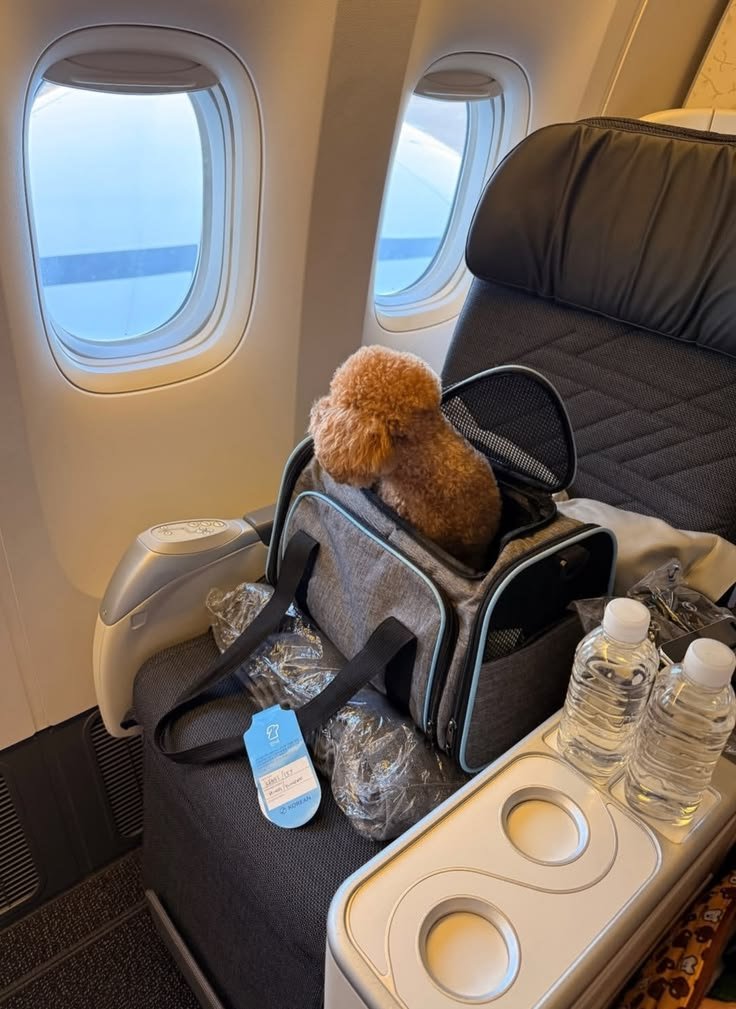
This one sounds completely ridiculous until you realise that some pet owners will spend a lot of money to travel comfortably with their animals.
BARK launched BARK Air, a premium air-travel service designed around dogs.
BARK reported $12.4 million of BARK Air revenue in fiscal 2026, showing that the concept had become a meaningful business line within the company.
What I find interesting
You don’t necessarily need to own an airline.
That’s the important part.
A smaller Indian version could be a pet travel concierge that coordinates:
- Pet-friendly flights
- Ground transportation
- Documentation
- Boarding
- Hotels
- Veterinary requirements
- Relocation support
My India startup estimate
Investment: ₹2–6 lakh
Monthly costs: ₹50,000–₹2 lakh
Possible revenue: ₹2–10 lakh/month
Possible profit: ₹50,000–₹2.5 lakh/month
This would be a service business rather than an airline.
9. An Ice-Cream Museum
I genuinely love this one because it shows how much people are willing to pay for an experience.
The Museum of Ice Cream created colourful, highly visual spaces where visitors could explore installations, take photographs and eat ice cream.
The concept became large enough to attract major investment and was valued at $200 million in 2019.
The current attraction continues to sell timed tickets and immersive experiences.
My Indian version
I wouldn’t necessarily build an “ice cream museum.”
I’d build a temporary themed experience.
For example:
- Bollywood nostalgia
- Indian street food
- Cricket
- Monsoon
- Diwali lights
- Childhood India
- Mumbai local experience
- Pune college life
People could pay for entry, food, merchandise and photographs.
My India startup estimate
Investment: ₹8–30 lakh
Monthly costs: ₹3–10 lakh
Possible revenue: ₹6–25 lakh/month
Possible profit: ₹1–6 lakh/month
The biggest risk would be visitor demand.
10. Immersive Art That Feels Like Another World
This is where things get seriously interesting.
Meow Wolf started as an underground art collective and eventually built large immersive experiences where visitors walk through strange rooms, stories and interactive environments.
The business generated millions very early. Its first permanent Santa Fe experience reported millions in revenue, and the company later expanded into multiple cities.
What I’d learn from Meow Wolf
The product isn’t a painting.
The product is the experience of being inside the painting.
That’s a completely different business model.
India opportunity
I could imagine:
“Inside Ancient India”
A walk-through experience involving:
- Indian mythology
- Interactive rooms
- Projection mapping
- Sound
- AR
- Physical sets
- Food and merchandise
My India startup estimate
Investment: ₹25 lakh–₹1 crore+
Monthly costs: ₹8–25 lakh
Possible revenue: ₹15–50 lakh/month
Possible profit: ₹2–12 lakh/month
This is definitely not a beginner business. The capital requirement and execution complexity are much higher.
11. Build-Your-Own Stuffed Animal
What if the customer doesn’t just buy a teddy bear?
What if they make the teddy bear themselves?
That’s the basic experience behind Build-A-Bear Workshop.
Customers choose a stuffed animal, fill it, dress it, accessorise it and create a personalised experience around it.
The model became enormous. Build-A-Bear reported $529.8 million in fiscal 2025 revenue and operates more than 650 experience locations across more than 30 countries.
Why I like this
The company turned a commodity product into an activity.
A normal teddy bear might cost a certain amount.
A personalised experience can justify much more.
My Indian version
I could create:
- Build-your-own teddy
- Build-your-own dinosaur
- Custom college mascot
- Personalised birthday plush
- Couple-themed plush
- Festival-themed plush
My India startup estimate
Investment: ₹10–30 lakh
Monthly costs: ₹3–10 lakh
Possible revenue: ₹5–20 lakh/month
Possible profit: ₹1–5 lakh/month
12. Selling Edible Cookie Dough
Here’s another idea that initially sounds unnecessary.
Why buy cookie dough when you could simply bake cookies?
Because sometimes people don’t want to bake.
They want to eat the dough.
Doughp turned edible cookie dough into a consumer brand and reported more than $13 million in lifetime revenue, including approximately $3.9 million in 2022 revenue.
What I like about this
It took something people normally consider an ingredient and turned it into the final product.
Indian possibilities
I’d experiment with:
- Eggless cookie dough
- Indian-inspired flavours
- Brownie batter
- Dessert jars
- Mithai-inspired cookie dough
- Festival gift boxes
Of course, food safety and licensing would need to be handled properly.
My India startup estimate
Investment: ₹4–12 lakh
Monthly costs: ₹1.5–5 lakh
Possible revenue: ₹3–12 lakh/month
Possible profit: ₹50,000–₹2.5 lakh/month
13. Pet Funeral and Cremation Services
This one is emotionally difficult, but it’s also an example of a very real niche service.
As pets become increasingly important members of families, some owners want a formal farewell rather than simply treating the loss as an ordinary disposal problem.
InvoCare operates pet cremation businesses in Australia, and its investor materials reported A$30 million in FY2021 operating revenue from pet cremation services.
The Indian market is also developing. A 2026 Grand View Research outlook estimated India’s pet funeral services market at about $42.1 million in 2025, with further growth projected through 2033.
What the business could include
- Pet cremation
- Memorial urns
- Paw-print keepsakes
- Memorial frames
- Pickup services
- Online memorial pages
- Grief-support partnerships
My India startup estimate
Investment: ₹10–30 lakh
Monthly costs: ₹2–7 lakh
Possible revenue: ₹4–15 lakh/month
Possible profit: ₹1–4 lakh/month
This isn’t a business I’d enter casually. It requires empathy, professional handling, local permissions and strong operational standards.
14. Farm-Direct Flower Subscriptions
Flowers aren’t weird.
But the business model can be.
The Bouqs built a flower business around a farm-direct supply chain and later expanded into subscriptions and physical retail.
The company crossed $100 million in annual revenue, according to Entrepreneur’s 2026 reporting.
Why I included this
It shows that sometimes the unusual part isn’t the product.
It’s the way you source and sell it.
My Indian version
Instead of a traditional flower shop, I’d create:
“Fresh Flowers Every Week”
Customers subscribe monthly and receive flowers directly from partner farms.
Potential customers:
- Homes
- Offices
- Restaurants
- Hotels
- Cafés
- Salons
- Event venues
My India startup estimate
Investment: ₹3–10 lakh
Monthly costs: ₹1–4 lakh
Possible revenue: ₹3–12 lakh/month
Possible profit: ₹50,000–₹2.5 lakh/month
The biggest challenge would be reducing wastage.
15. A Party Card Game That Says Things You Probably Shouldn’t Say
Finally, let’s talk about something very simple:
A card game.
Cards Against Humanity built a brand around an intentionally inappropriate party game.
The creators themselves describe it as a simple fill-in-the-blank party game and say the original version was first made for a New Year’s Eve party before being launched through Kickstarter.
The business has also built its brand through unusual marketing campaigns, including deliberately strange stunts.
Why this works
The manufacturing cost of cards is relatively low.
The entertainment value is much higher.
And once the brand has an audience, new editions and expansion packs can be sold repeatedly.
My Indian version
I wouldn’t copy Cards Against Humanity.
I’d create something culturally specific.
For example:
Indian College Problems
or
Indian Family Dinner
or
Indian Startup Problems
or
Indian Wedding Chaos
The key would be original writing, original artwork and a clearly defined audience.
My India startup estimate
Investment: ₹2–8 lakh
Monthly costs: ₹50,000–₹2 lakh
Possible revenue: ₹2–10 lakh/month
Possible profit: ₹60,000–₹3 lakh/month
This is one of the models I would test with a small batch before spending heavily on inventory.
What These Weird Businesses Have in Common
After looking at these businesses, I don’t think the lesson is:
“Find the weirdest idea possible.”
That would be terrible advice.
The real lesson is different.
1. Weird gets attention. Useful keeps customers.
Goat yoga gets attention because it’s unusual.
But people still have to enjoy the experience.
A weird product can get the first sale.
A useful or enjoyable product gets the second sale.
2. Boring products can become exciting brands
Toilet paper.
Water.
Wet wipes.
Bathroom stools.
Cookie dough.
None of these products sound revolutionary.
But the branding around them can completely change how customers perceive them.
That’s something I personally find very interesting.
3. Experiences can be more valuable than products
Build-A-Bear, Museum of Ice Cream and Meow Wolf all show variations of the same idea:
Don’t just sell something people can buy. Give them something they can experience.
That experience can then generate:
- Ticket revenue
- Food sales
- Merchandise
- Social media content
- Repeat visits
- Brand loyalty
4. Subscription businesses can change the economics
BarkBox is a great example.
If I sell one dog toy today, I have to find another customer tomorrow.
If I create a subscription that customers genuinely value, I have a chance to earn repeatedly from the same customer.
That’s why I’d always ask:
“Can this business create repeat purchases?”
5. Existing assets can be turned into businesses
Swimply is the perfect example.
The company didn’t need to own every pool.
It connected people who had pools with people who wanted to use them.
That makes me think about other underused assets:
- Farmhouses
- Rooftops
- Studios
- Sports courts
- Parking spaces
- Private gardens
- Event spaces
- Workshops
Sometimes the business opportunity is hiding inside an asset that someone else already owns.
How Much Money Would I Actually Need?
This is where I’d be careful.
Seeing a company generate millions doesn’t mean I should immediately spend ₹20 lakh trying to copy it.
If I were starting one of these businesses, I’d first test the smallest possible version.
For example:
Goat Yoga:
Don’t buy land and build a farm. Partner with a farm and run weekend sessions.
Pet Subscription Box:
Don’t manufacture toys. Source existing products and test 50 boxes.
Immersive Experience:
Don’t rent a giant building. Start with a temporary pop-up.
Card Game:
Don’t print 10,000 copies. Test a small batch and pre-orders.
Pool Rental:
Don’t build pools. Partner with pool owners.
Eco Products:
Don’t build a factory. Start with contract manufacturing.
This is how I’d try to reduce the risk.
My Biggest Takeaway From These 15 Businesses
The thing I found most interesting isn’t actually how weird these businesses are.
It’s how specific many of them are.
They aren’t trying to sell everything to everyone.
They’re saying:
“This is for you.”
Dog owners.
People who want unusual experiences.
People who care about sustainability.
People who love games.
People who want convenience.
People who want something Instagram-worthy.
And that’s probably the biggest lesson I’d take from this entire list.
You don’t need the strangest business idea in the world.
You need to find a specific customer with a specific problem, desire or obsession and build something they are happy to pay for.
Sometimes that business will look completely normal.
And sometimes…
It might involve goats doing yoga. 🐐😂
Final Thought
If I were starting a business from scratch, I wouldn’t ask:
“What business is everyone starting?”
I’d ask:
“What is something people already spend money on that could be made more useful, more convenient, more entertaining or more memorable?”
That question can lead to much more interesting businesses.
And sometimes, the strangest idea on the list is the one that makes people stop scrolling, tell their friends about it, and eventually become customers.