

 By
By If I wanted to start a wholesale, reselling, or online business in India, one of the first things I would figure out is where to buy products at a price that leaves enough room for profit.
Finding a product to sell is one thing. Finding a supplier who offers consistent quality, reasonable minimum order quantities, reliable delivery, and a price that makes business sense is another.
And honestly, this is where beginners can make expensive mistakes.
A product might look profitable when I see its wholesale price online. But after adding shipping, packaging, marketplace fees, damaged products, returns, and other expenses, the actual profit can be much smaller than expected.
That’s why I wouldn’t choose a supplier simply because they offer the lowest price.
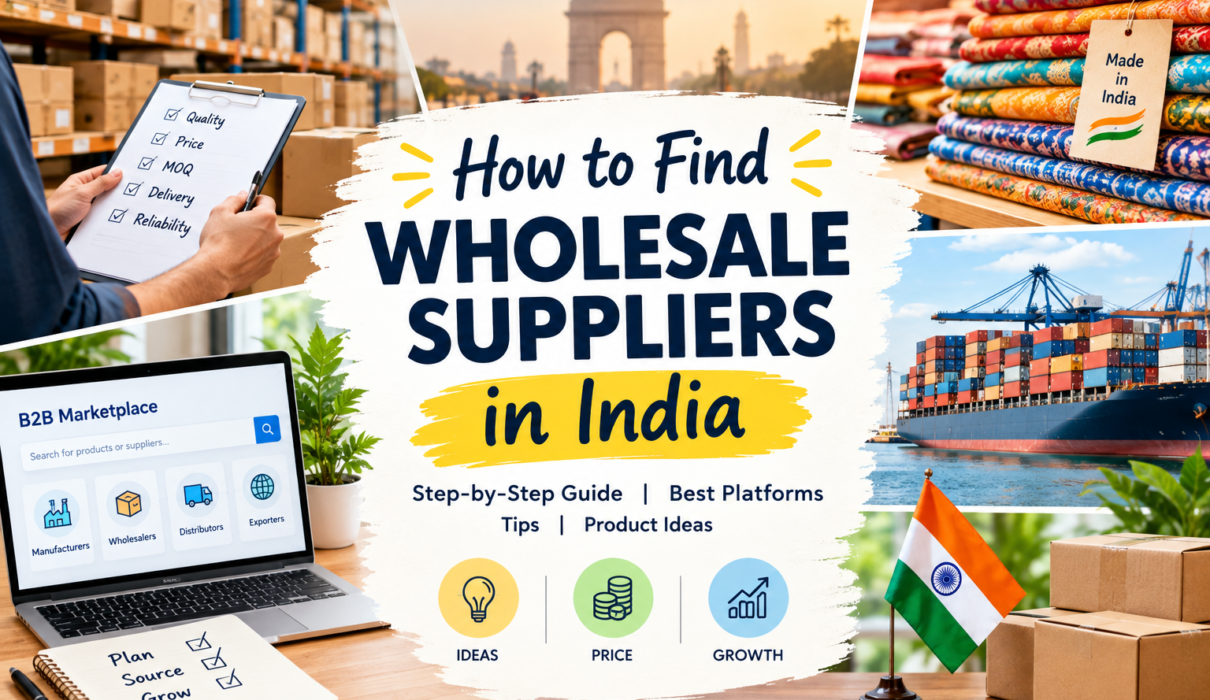
In this guide, I’ll explain how I would find wholesale suppliers in India, which platforms I’d explore, how I’d compare quotations, and what I’d check before placing my first bulk order.
I’ll also share some product categories I’d consider if I were starting a small business today.
My goal is simple: find a supplier who helps me build a sustainable business, not just complete one cheap purchase.
Table of Contents
- What Is a Wholesale Supplier?
- Where to Find Wholesale Suppliers in India
- 7 Product Niches I’d Explore
- How to Find Suppliers Step by Step
- How to Check Whether a Supplier Is Reliable
- How to Calculate the Real Wholesale Cost
- Questions to Ask Before Ordering
- Mistakes I’d Avoid
- Frequently Asked Questions
What Is a Wholesale Supplier?
A wholesale supplier sells products in bulk to retailers, resellers, distributors, online sellers, and other businesses. Depending on the supplier, you might buy directly from a manufacturer, an authorised distributor, or a wholesaler who purchases from manufacturers and resells the products.
Here is the difference I would keep in mind:
| Supplier type | What they do | When I’d consider them |
|---|---|---|
| Manufacturer | Makes the product | When I need better pricing, customisation, or private labelling |
| Wholesaler | Buys and resells products in bulk | When I want to purchase ready-made products |
| Distributor | Supplies products from particular brands | When I want established branded products |
| Importer | Brings products from other countries | When I need products not easily available locally |
| Private-label supplier | Makes products that can be sold under my brand | When I want to build my own brand |
I wouldn’t automatically assume that buying directly from a manufacturer is always the cheapest option.
Some manufacturers require large orders, while a wholesaler may let me purchase smaller quantities. For a beginner, paying slightly more per unit can be worthwhile if it means taking less inventory risk.
Where to Find Wholesale Suppliers in India
I would use a combination of online platforms, local wholesale markets, manufacturer websites, and direct enquiries. Each method has its advantages.
1. IndiaMART
IndiaMART is one of the first places I’d search when looking for manufacturers and wholesalers in India.
I would search using the exact product name rather than a broad term.
For example, instead of searching for “home products”, I might search for:
- Stainless steel kitchen organisers manufacturer
- Corrugated packaging box supplier
- Pet accessories wholesaler
- Cotton tote bag manufacturer
- Restaurant takeaway packaging supplier
I’d shortlist several suppliers rather than contacting only the first result.
My approach: use IndiaMART to discover potential suppliers, then verify them independently before paying.
2. TradeIndia
I’d use TradeIndia as another source of supplier leads.
Searching across more than one platform helps me compare quotations and discover suppliers who may not appear in my initial search.
I would compare product specifications, minimum order quantities, customisation options, delivery terms, and payment conditions.
The important point is that a supplier listing is a starting point for research, not proof that the business is reliable.
3. MSME Global Mart
This is another resource worth exploring, especially if I want to discover Indian manufacturers, wholesalers, and small businesses.
The platform is associated with the National Small Industries Corporation (NSIC), a public sector undertaking under India’s Ministry of MSME. It offers a B2B marketplace for business-to-business sourcing. Learn more about MSME Global Mart.
I would explore this option when looking for domestic manufacturers, industrial supplies, raw materials, or products from smaller enterprises.
4. Amazon Business India
Amazon Business is useful when I want to purchase ready-made products in bulk for my business rather than contact a factory directly.
I’d explore it for products such as:
- Office supplies
- Cleaning products
- Computer accessories
- Packaging materials
- Pantry supplies
- Business equipment
It also offers business purchasing features such as bulk discounts and GST invoices on eligible purchases. I’d compare the final price and invoice details with other sources before deciding. Explore Amazon Business.
5. Government e-Marketplace (GeM)
GeM is India’s public procurement platform for government departments and eligible organisations. Suppliers can register and participate in government procurement opportunities.
I would explore GeM if my business plan involved supplying eligible products to government buyers, rather than ordinary retail reselling.
For example, a business supplying office stationery, furniture, uniforms, or other institutional products might investigate whether its products and business model fit the relevant procurement requirements.
GeM is not simply another general-purpose wholesale shopping website, so I’d read its seller and procurement rules before using it. Official government information about GeM.
6. Local Wholesale Markets and Industrial Areas
I wouldn’t ignore physical markets just because online sourcing is convenient.
Visiting a wholesale market can help me inspect product quality, compare different sellers, understand packaging, and negotiate smaller trial purchases.
I’d search for local markets specialising in the exact product category I want to sell. I’d also look for manufacturers and distributors in nearby industrial areas.
For example, if I wanted to sell packaging materials, I would search for packaging manufacturers and distributors in my region rather than automatically ordering from another state.
Before visiting, I’d contact suppliers to confirm their address, product range, opening hours, and whether they sell to small businesses.
Which sourcing method would I choose?
| My situation | Where I’d start |
|---|---|
| I want to compare many suppliers | IndiaMART and TradeIndia |
| I want to discover smaller manufacturers | MSME Global Mart |
| I need ready-made products in smaller quantities | Amazon Business |
| I want to supply government organisations | GeM |
| I want to inspect products personally | Local wholesale markets |
| I need custom products under my own brand | Manufacturers and private-label suppliers |
I would use these resources to build a shortlist, not assume that any platform guarantees the quality of every supplier listed.
7 Product Niches I’d Explore

Rather than buying whatever is trending, I would choose a product category with identifiable customers and a clear reason for them to buy.
Here are seven niches I would investigate. These are product-sourcing ideas to research, not claims that these categories are guaranteed to be profitable or free from competition.
1. Packaging Materials for Small Businesses
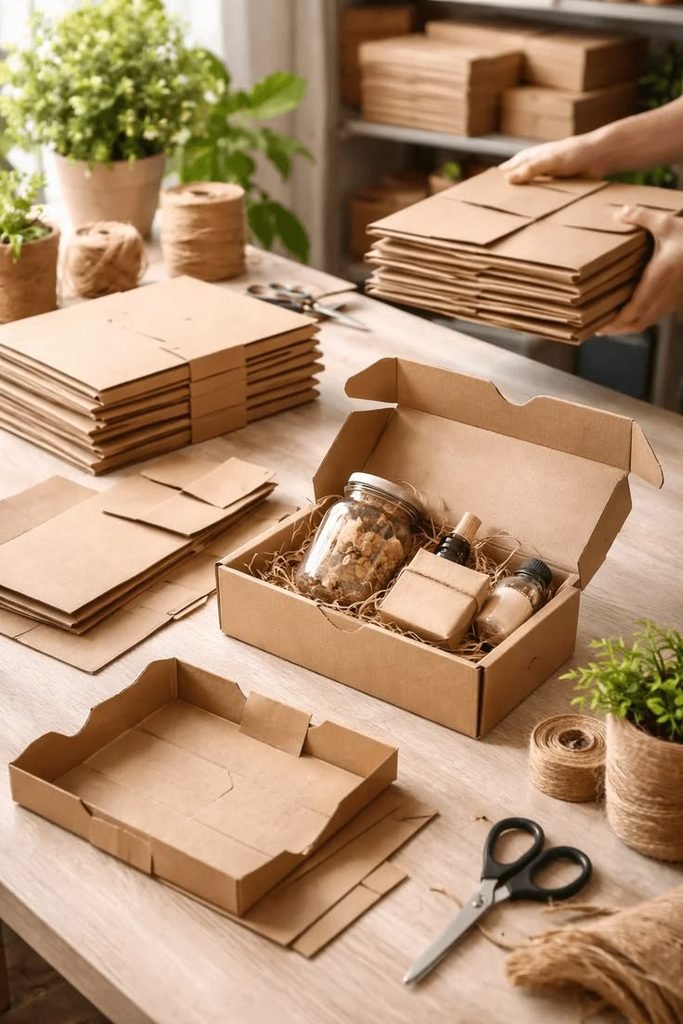
Small retailers, home businesses, bakeries, gift shops, and online sellers regularly need packaging.
I would explore products such as:
- Corrugated boxes
- Paper bags
- Shipping mailers
- Bubble wrap and protective packaging
- Product labels and stickers
- Customised gift boxes
Where I’d search: IndiaMART, TradeIndia, and local packaging manufacturers.
Why I’d consider it: business customers may reorder supplies as they use them. I would focus on a particular customer group instead of trying to sell every type of packaging.
2. Home Organisation Products
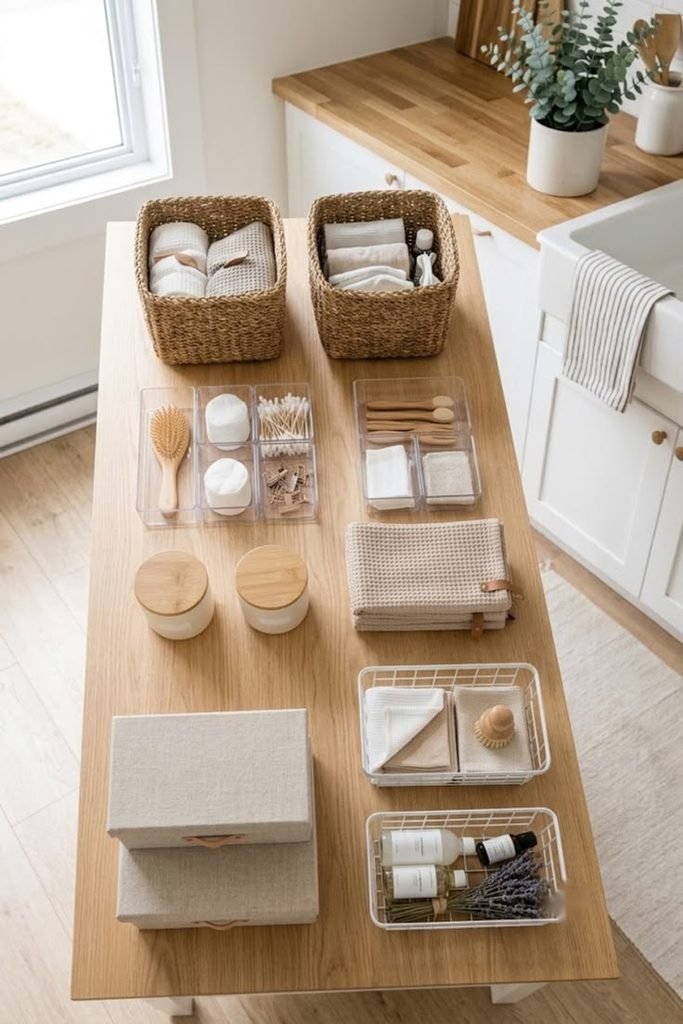
I’d explore practical products that help people organise kitchens, wardrobes, bathrooms, and workspaces.
Examples include drawer organisers, storage baskets, cable organisers, shelf dividers, and space-saving storage products.
Where I’d search: B2B marketplaces, homeware wholesalers, and manufacturers of plastic, metal, or fabric organisers.
What I’d check: product dimensions, material quality, durability, packaging, and shipping costs. Bulky products can be expensive to transport relative to their selling price.
3. Pet Accessories

I’d investigate non-food pet accessories such as collars, leashes, harnesses, grooming brushes, toys, feeding mats, and travel accessories.
Where I’d search: pet-product manufacturers, specialist wholesalers, and B2B directories.
Why I’d consider it: I could start with a narrow range for a specific customer group, such as dog-walking accessories or travel products, rather than buying a large assortment.
For products that contact animals or involve safety, I’d check material quality and suitability carefully.
4. Café and Restaurant Supplies
Restaurants, cafés, food stalls, and caterers need supplies for their daily operations.
Possible products include takeaway containers, paper cups, napkins, food-service packaging, menu holders, and disposable or reusable serving products.
Where I’d search: food-service packaging suppliers, restaurant-equipment distributors, and local manufacturers.
I’d pay close attention to food-contact suitability and any applicable rules for the materials I plan to sell.
5. Corporate Gifting and Event Packaging
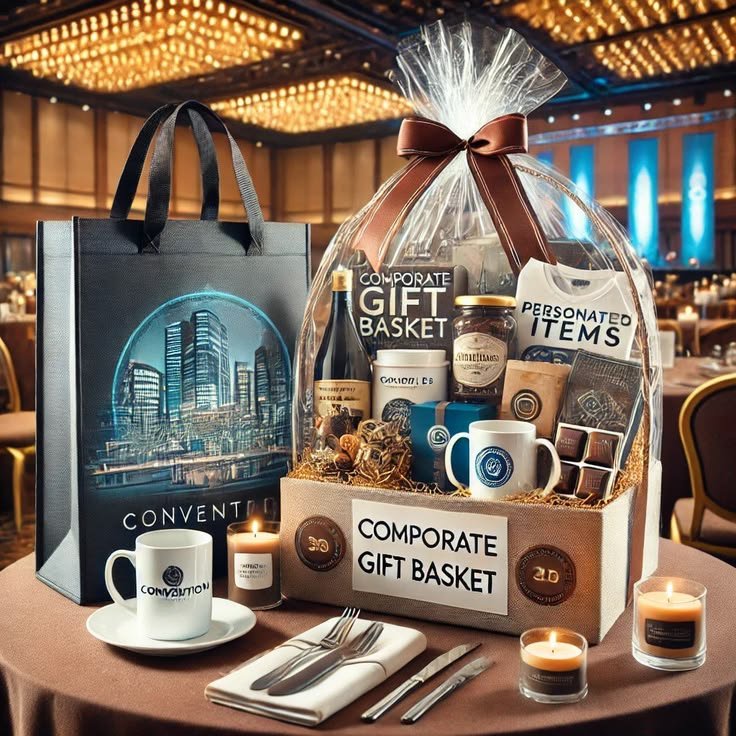
Businesses often need products for employee welcome kits, events, customer gifts, and festive campaigns.
I would explore:
- Gift boxes
- Notebooks and stationery
- Tote bags
- Bottles and mugs
- Desk accessories
- Custom labels and packaging
Where I’d search: promotional-product manufacturers, printing businesses, gift wholesalers, and packaging suppliers.
I would initially outsource printing and customisation instead of investing in machines before I had regular orders.
6. Cleaning Supplies for Offices and Small Businesses
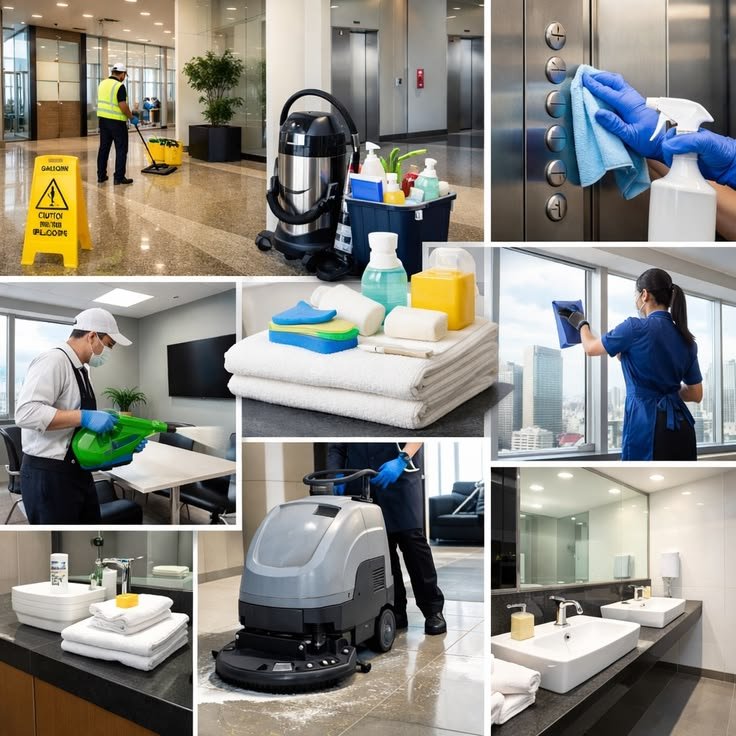
I’d research supplies used by offices, gyms, shops, hostels, and property-management companies.
Examples include microfiber cloths, mop heads, cleaning brushes, dispensers, bins, and cleaning equipment.
Where I’d search: commercial cleaning-product distributors and manufacturers.
I’d start with non-chemical accessories if I wanted a simpler product range. If I planned to sell chemical cleaners, I’d first check the applicable labelling, safety, storage, and regulatory requirements.
7. Regional Products and Local Craft Goods

I’d also consider sourcing products from regional manufacturers and artisans.
Depending on the area, this might include handmade décor, textiles, stationery, traditional craft products, or gift items.
Where I’d search: artisan collectives, producer groups, regional manufacturers, local trade associations, and MSME Global Mart.
I would look for products with a clear customer and a distinctive selling point rather than assuming that a handmade product will automatically sell at a premium.
How to Find Wholesale Suppliers Step by Step

If I were starting from zero, I wouldn’t contact hundreds of suppliers randomly. I’d follow a simple process.
Step 1: Choose One Product Category
I would first decide what I want to sell and who might buy it.
For example, if I chose packaging supplies, my target customers could be local online sellers, bakeries, and gift businesses.
That gives me a more focused search than simply looking for “wholesale products”.
Step 2: Search Using Specific Keywords
I’d search for the product along with terms such as:
- Manufacturer
- Wholesaler
- Distributor
- Bulk supplier
- Private label
- Small MOQ
- Custom packaging
For example, I might search for “custom corrugated box manufacturer small MOQ India”.
I’d also compare suppliers across more than one platform.
Step 3: Create a Supplier Shortlist
I’d put at least five potential suppliers into a spreadsheet.
I’d record:
| Detail | What I’d note |
|---|---|
| Supplier name | Business or legal name |
| Product | Exact product and specifications |
| Location | City and state |
| MOQ | Minimum order quantity |
| Unit price | Quoted price per item |
| Delivery | Cost and estimated timeline |
| Customisation | Available options |
| Payment terms | Advance, balance, credit, etc. |
| Verification | Documents and checks completed |
This makes it much easier to compare suppliers fairly.
Step 4: Request Quotations
I’d send the same product specifications to each shortlisted supplier.
This matters because two quotations are not comparable if one supplier is quoting a thinner material, smaller size, or lower-quality version of the product.
I’d ask for prices at different quantities, such as 50, 100, and 500 units, where relevant.
I would also ask whether the quoted price includes packaging, taxes, and delivery.
Step 5: Order Samples First
This is a step I would not skip for products where quality matters.
Before placing a large order, I’d request a sample or buy a small quantity if the supplier allows it.
I’d check:
- Material and build quality
- Size and specifications
- Colour and finish
- Packaging
- Defects
- Whether the product matches the listing or sample
If the sample is poor, I wouldn’t place a large order just because the price looks attractive.
Step 6: Verify the Business
I’d check the supplier’s legal business name, address, contact details, and relevant registration information.
For GST-registered suppliers, I would verify the GSTIN using the official GST portal.
If the supplier claims to manufacture the product, I’d ask where it is made and whether a factory visit or video inspection is possible.
For expensive or customised orders, I would consider an independent inspection if the risk justifies the cost.
Step 7: Place a Small Trial Order
Once I am satisfied with the checks and sample, I’d place an order small enough that I can afford to lose money on it without seriously damaging my finances.
I’d document the product specifications, quantity, price, delivery date, packaging requirements, defect policy, and payment terms in writing.
Only after the supplier has delivered consistently would I consider increasing the order size.
How to Check Whether a Wholesale Supplier Is Reliable

No single badge, marketplace profile, or registration proves that a supplier will deliver good products on time.
I would combine several checks.
| What I’d check | What I’d do |
|---|---|
| Business identity | Match the business name, address, and contact details |
| GST details | Verify the GSTIN on the official portal when applicable |
| Product quality | Order samples and compare them with the written specifications |
| Customer references | Ask for business references where practical |
| Production capability | Ask about stock, capacity, and lead times |
| Payment details | Confirm that the beneficiary name matches the business or documented arrangement |
| Written terms | Record the price, quantity, delivery, defects, and refund conditions |
| Communication | Notice whether answers are clear and consistent |
Red flags I would take seriously
- The supplier pressures me to pay immediately.
- The price is dramatically lower than comparable quotations without a convincing explanation.
- The supplier refuses to provide basic business details.
- Bank details change unexpectedly or don’t match the documented business.
- The supplier refuses samples for a large, quality-sensitive order.
- Product specifications keep changing during negotiation.
- The supplier promises unrealistic delivery times.
One red flag doesn’t always prove fraud, but it is a reason to pause and investigate.
How to Calculate the Real Wholesale Cost

This is where I would be especially careful.
Suppose I buy 100 items at ₹100 each.
The product cost is ₹10,000. But that isn’t necessarily my total cost.
Here is an illustrative example:
| Expense | Amount |
|---|---|
| 100 products at ₹100 each | ₹10,000 |
| Delivery and freight | ₹1,000 |
| Packaging and labels | ₹500 |
| Other order-related costs | ₹500 |
| Total illustrative cost | ₹12,000 |
| Cost per item before selling expenses | ₹120 |
If I sell each item for ₹180, the difference is ₹60 per item before selling expenses, taxes where applicable, returns, advertising, marketplace fees, and other overheads.
If I sell all 100 items, the ₹6,000 difference is not automatically my net profit.
I would calculate the full cost before deciding whether the product is worth selling.
Questions I’d Ask Before Placing a Wholesale Order

Before paying a supplier, I’d ask:
- Are you the manufacturer, wholesaler, or authorised distributor?
- What is the minimum order quantity?
- Can I order a sample?
- What is the price at different quantities?
- Does the quotation include GST, packaging, and delivery?
- What is the production or dispatch timeline?
- Can you provide an invoice?
- What happens if products arrive damaged or defective?
- Can you provide the exact specifications in writing?
- What payment methods and terms do you offer?
I’d keep the supplier’s responses in writing so there is less room for confusion later.
Common Mistakes I’d Avoid
Choosing the Cheapest Supplier
A low price means very little if the products are defective, delivery is unreliable, or extra charges appear later.
Buying Too Much Inventory
A supplier offering a discount for 1,000 units doesn’t mean I should buy 1,000 units.
I’d rather test demand with a smaller order than lock up all my money in stock that may not sell.
Ignoring Delivery Costs
A supplier in another state might offer a lower product price, but freight could eliminate the savings.
I’d compare the delivered cost, not just the listed price.
Trusting Online Listings Without Verification
A polished website and attractive product photos are not enough.
I’d check the business, request samples, and document the terms.
Forgetting the Customer
Even a reliable supplier cannot make an unwanted product profitable.
Before placing an order, I’d check who will buy the product, what alternatives they have, what price they will pay, and how I will reach them.
Frequently Asked Questions

1. Where can I find wholesale suppliers in India?
You can start with IndiaMART, TradeIndia, MSME Global Mart, local wholesale markets, and manufacturer websites. The best option depends on the product, order quantity, and whether you need ready-made or customised goods.
2. Can I buy wholesale products without a GST number?
Requirements depend on the type of transaction, business activity, supplier, and applicable tax rules. Some suppliers may sell to buyers without a GST registration, while other transactions or business models may require registration or specific documentation. Check the current rules for your situation before ordering.
3. What is the minimum order quantity (MOQ)?
MOQ is the smallest quantity a supplier is willing to sell in one order. It may be a few pieces for ready-made products or hundreds or thousands of units for custom manufacturing. I’d ask whether a sample or smaller trial order is available.
4. How do I know whether a wholesale supplier is genuine?
Check the business identity and address, verify relevant registration details, request samples, ask for written quotations and invoices, and review payment terms. For larger orders, consider a site visit or independent inspection.
5. Is buying directly from a manufacturer always cheaper?
Not necessarily. Manufacturers may offer lower unit prices at large quantities, but their MOQ can be high. A wholesaler may be more suitable when you want smaller quantities, ready stock, or a wider product selection.
6. How much money do I need to start buying wholesale products?
There is no single minimum. It depends on the product, MOQ, shipping, packaging, and how much stock you need. I’d calculate the full landed cost and test demand before deciding how much money to invest.
7. Can I find suppliers for my own private-label brand?
Yes. You can search for manufacturers that offer private-label or contract manufacturing services. Ask about MOQ, customisation charges, packaging, product specifications, ownership of designs, and any applicable compliance requirements before proceeding.
My Final Advice
If I were starting a wholesale or reselling business today, I wouldn’t begin by searching for the cheapest supplier in India.
I’d begin with a product and a customer.
Then I’d shortlist suppliers, compare quotations, check the actual delivered cost, test samples, and place a small trial order.
I’d increase the order only when I had evidence that the product could sell at a price that left enough room for profit.
A good supplier is not simply someone who sells cheaply. It’s someone whose quality, pricing, communication, and delivery help me serve my customers consistently.
That’s the standard I’d use before building a business around any wholesale product.