 By
By Have you ever seen a business in another country and thought:
“Wait… people actually pay for this?” 😄
That thought is exactly what inspired this article.
When we talk about starting a business in India, we usually hear the same suggestions: food businesses, clothing, reselling, digital marketing, cloud kitchens, salons and small manufacturing.
There is nothing wrong with those businesses.
But I started wondering:
What if we looked outside India instead?
The US, Canada, Europe and other markets have developed some surprisingly specialised businesses around convenience, rentals, subscriptions, sharing, pet care and everyday problems.
Some of these models are already appearing in India, but they are still relatively uncommon or much less developed here.
So instead of simply copying a foreign business, I would ask a better question:
“What is working abroad, and how could I adapt the same problem-solving idea for Indian customers?”
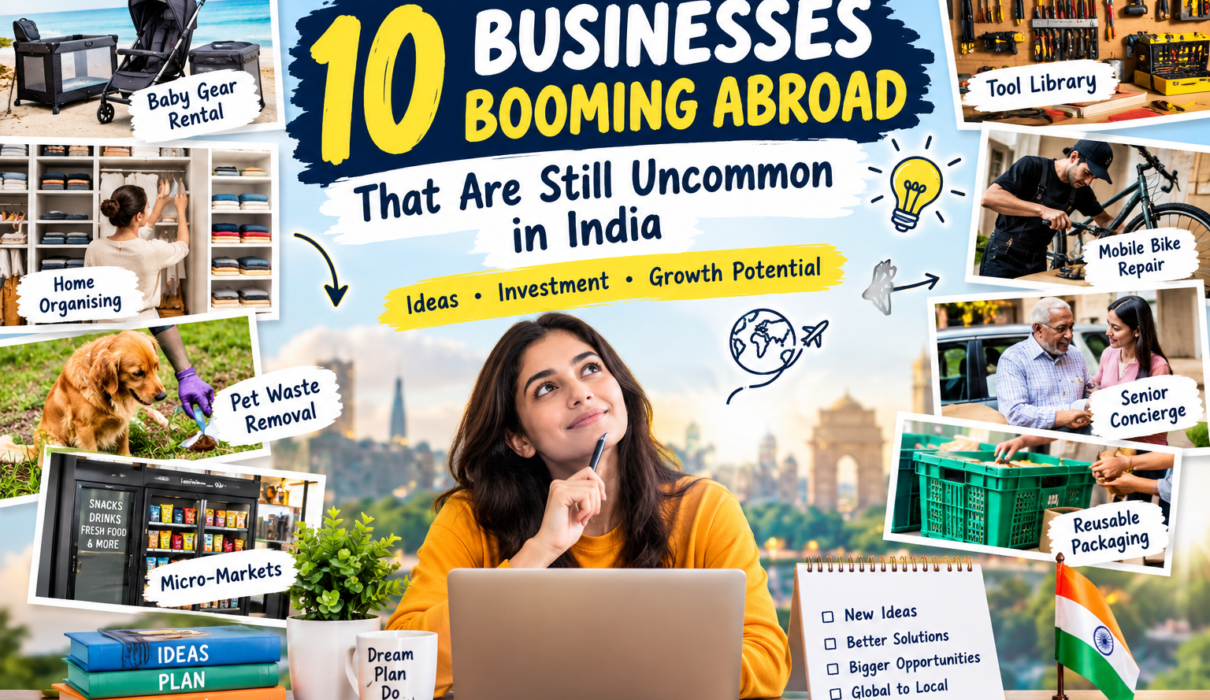
That is the approach behind the 10 ideas below.
Important: The investment and revenue figures in this article are my rough estimates for a small Indian launch, not guaranteed returns. The international examples are included to show that the business model already exists somewhere in the world.
1. Baby Gear Rental for Travelling Families

Imagine travelling with a baby and having to carry a stroller, crib, high chair, car seat and half your house through an airport.
That sounds exhausting.
This is where baby gear rental comes in.
Instead of families buying or carrying bulky baby equipment, a rental company delivers it to their hotel, holiday rental or destination.
One example is BabyQuip. The company says it operates across thousands of locations and has completed more than 500,000 reservations, with independent providers delivering and setting up baby equipment for travelling families.
Why I find this interesting for India
India has a huge domestic travel market, and family travel is common.
I can imagine a service where parents travelling to Goa, Mumbai, Pune, Jaipur, Delhi or other tourist destinations could book:
- Strollers
- Travel cots
- High chairs
- Baby carriers
- Toys
- Baby baths
- Other travel equipment
The interesting part is that I wouldn’t necessarily need to build a giant inventory from day one.
I could start in one city, partner with hotels and vacation properties, and gradually build the rental network.
My rough Indian starting investment: ₹2 lakh–₹6 lakh
Possible revenue model: Per-day rental + delivery fee + cleaning fee + hotel partnerships
The lesson I’d take from it
Sometimes customers don’t want to own something.
They simply want it when they need it.
2. Professional Home-Organising Service
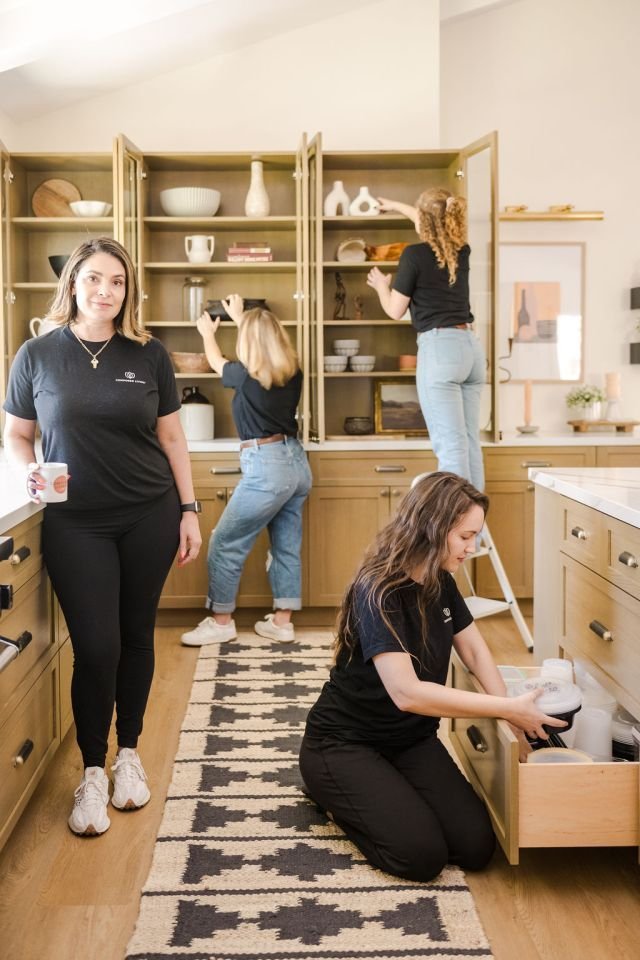
This one initially sounds almost too simple.
You go into someone’s home and help them organise it.
Closets.
Kitchens.
Storerooms.
Home offices.
Kids’ rooms.
Moving boxes.
But in countries such as the US, professional organising has developed into a real service industry.
The National Association of Productivity & Organizing Professionals (NAPO) provides education, credentialing and a directory of organising professionals.
Market research also shows North America as a major market for professional home-organisation services.
How I would adapt it for India
I wouldn’t position it as:
“I come to your house and clean.”
I’d position it as:
“I help you organise your home.”
For example:
Kitchen Organisation Package
- Declutter
- Categorise
- Storage planning
- Labeling
- Container recommendations
Or:
Move-In Organisation Package
- Unpack
- Categorise belongings
- Organise wardrobes
- Kitchen setup
- Storage planning
My rough Indian starting investment
₹30,000–₹1 lakh
The biggest investment would actually be skills, transport, storage products and marketing, rather than expensive equipment.
Why I like it
This is a service business.
That means I don’t need a huge shop or warehouse.
I need to solve a very specific problem for someone.
3. Tool Library and Equipment Membership
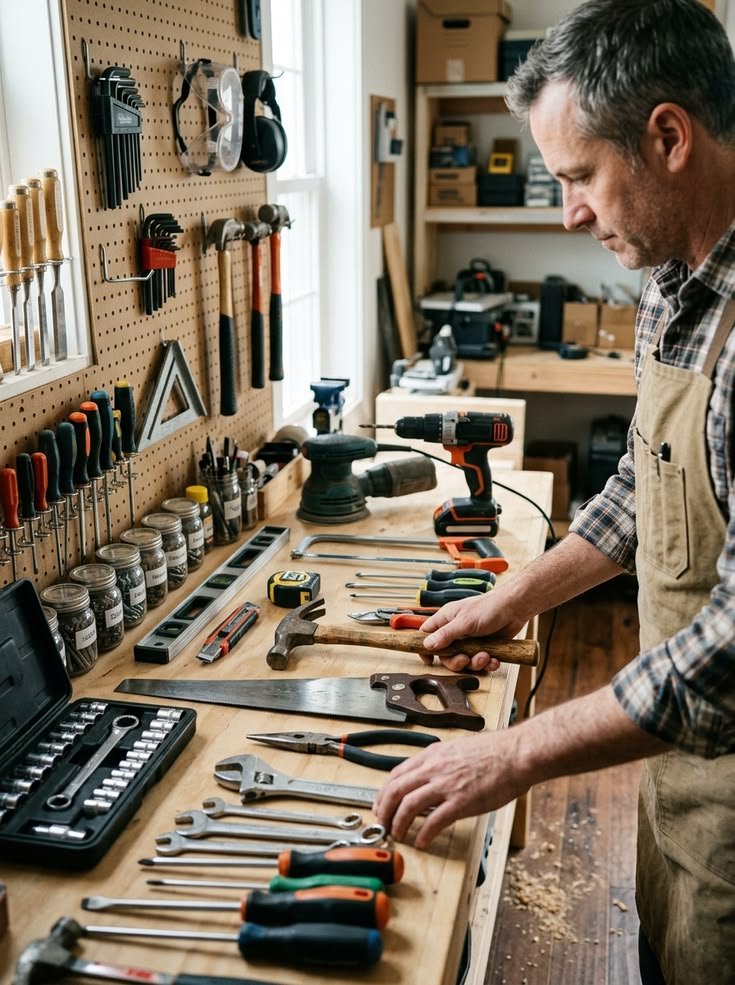
This idea is one of my favourites because it completely changes the idea of ownership.
Think about a drill.
Most people don’t use a drill every day.
So why should everyone buy one?
A tool library lets members borrow tools for DIY, gardening, repairs and home projects.
The Toronto Tool Library, for example, has operated since 2012 and provides members access to a large collection of tools through a membership model.
My Indian version would be slightly different
Instead of trying to create a huge tool library immediately, I’d start with a neighbourhood membership.
For example:
₹499–₹999/month
Members could borrow:
- Drills
- Pressure washers
- Ladders
- Gardening tools
- Painting equipment
- Car-cleaning equipment
- Basic electrical tools
I could also charge a refundable deposit for expensive equipment.
Where I see the opportunity
Apartment communities could be particularly interesting.
Imagine one society having a shared equipment room instead of 100 residents separately buying tools they use twice a year.
Rough starting investment: ₹2 lakh–₹8 lakh
The business lesson
Don’t just sell products. Sometimes you can sell access to products.
4. Repair Café + Paid Repair Service
The idea of a Repair Café became popular in Europe as part of the repair-and-reuse movement.
People bring broken household items and learn how to repair them instead of immediately throwing them away.
Repair Café International says the movement has spread across many countries and has thousands of locations worldwide. It also explicitly notes that Repair Cafés have reached India.
So I wouldn’t call this a business that doesn’t exist in India.
Instead, I’d look at the commercial version.
My idea
Create a local repair centre that combines:
Community workshops + paid repair services + pickup and delivery
Customers could bring:
- Small appliances
- Electronics
- Furniture
- Bicycles
- Sewing items
- Household products
The workshops could create community engagement, while professional repairs generate revenue.
My rough starting investment
₹1 lakh–₹4 lakh
The biggest requirement would be having people with actual repair skills.
Why I like this model
It combines two things I like:
A useful service + a reason for customers to come back.
And there is a larger global repair movement behind the idea. A 2026 Repair Café survey reported around 60,000 events and approximately 1.5 million visitors annually across the movement.
5. Pet Waste Removal Service
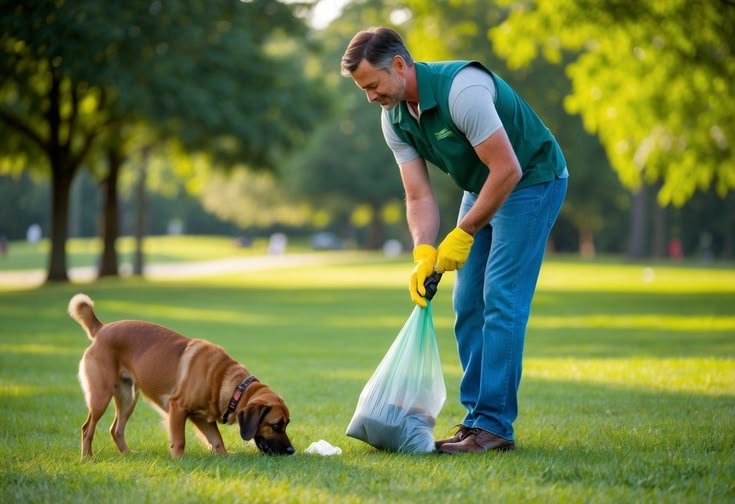
Okay, this one is definitely not glamorous.
But that’s exactly why I find it interesting. 😂
In the US, businesses specialise in something as specific as removing dog waste from people’s yards.
Scoop Soldiers, for example, provides recurring residential and commercial pet-waste removal services and has expanded across multiple US states.
Could this work in India?
I’d target:
- Premium apartment societies
- Pet-friendly communities
- Villas
- Kennels
- Pet hotels
- Dog daycare centres
Instead of charging customers for one random cleaning, I would create a subscription:
Weekly cleanup
Twice-a-week cleanup
Monthly package
The business becomes much more interesting when you have recurring customers.
My rough starting investment
₹50,000–₹2 lakh
You need basic equipment, transportation, protective equipment, waste handling systems and marketing.
My takeaway
Sometimes the best business opportunity isn’t a glamorous product.
It is a problem people don’t want to solve themselves.
6. 24/7 Micro-Markets Inside Offices and Buildings
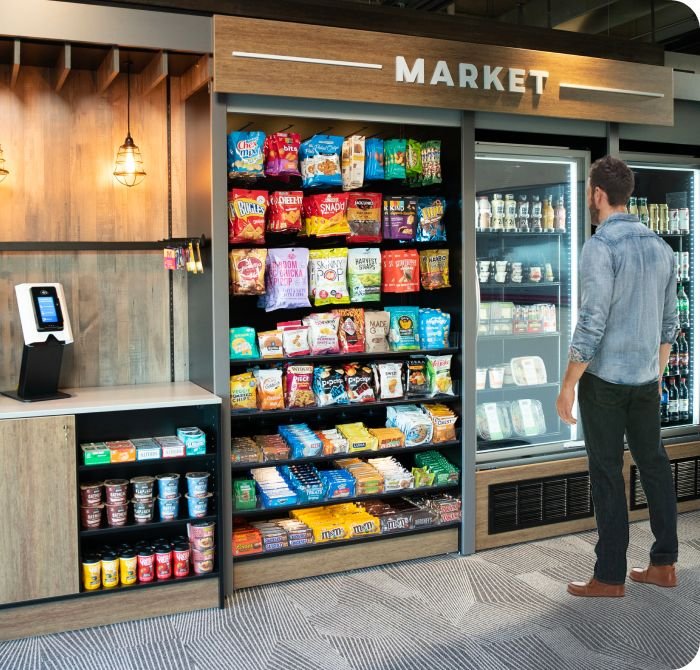
We’ve all seen vending machines.
But a micro-market is different.
Instead of one vending machine, imagine a small self-service shop inside an office, hospital, university, apartment complex or factory.
Customers walk in, select products and pay through a self-checkout system.
Canteen, a major US unattended-retail operator, says its micro-markets operate 24/7 and are used in offices, universities, hospitals and other facilities. It also says it operates more than 18,000 markets across the country.
What I’d put in an Indian micro-market
Not just chips and soft drinks.
I’d test:
- Healthy snacks
- Protein products
- Ready-to-eat meals
- Coffee
- Fresh juices
- Personal-care products
- Basic medicines where legally permitted
- Office essentials
Where I’d start
I wouldn’t start with a public street location.
I’d approach:
Corporate offices + hostels + hospitals + colleges + large residential societies.
The building provides the space.
I provide the inventory and technology.
Rough starting investment
₹2 lakh–₹7 lakh per location
The model becomes more interesting when one operator can manage multiple locations.
7. Mobile Bike and E-Bike Repair
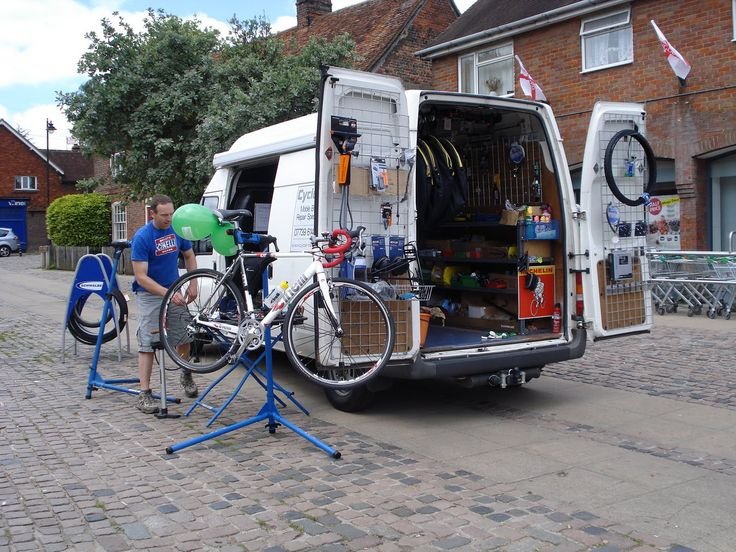
Why should you take your bicycle to a repair shop?
What if the repair shop came to you?
That’s the idea behind mobile bike repair.
Velofix operates mobile bike shops across North America. Customers can book service and have technicians come to their homes, offices or other locations. The company says it has more than 130 certified technicians and over 220,000 completed services.
Why I think this is interesting for India
India has a growing cycling and e-bike ecosystem, particularly in cities.
Instead of opening a traditional bike shop, I could start with:
One trained technician + one service vehicle + online booking.
Services could include:
- Brake repair
- Gear tuning
- Tyre replacement
- E-bike servicing
- Assembly
- Cleaning
- Periodic maintenance
I could also target cycling clubs, corporate offices and residential societies.
Rough starting investment
₹1.5 lakh–₹5 lakh
The lesson
The business doesn’t always need a bigger shop.
Sometimes the smarter move is to remove the customer’s trip to the shop.
8. Senior Lifestyle Concierge
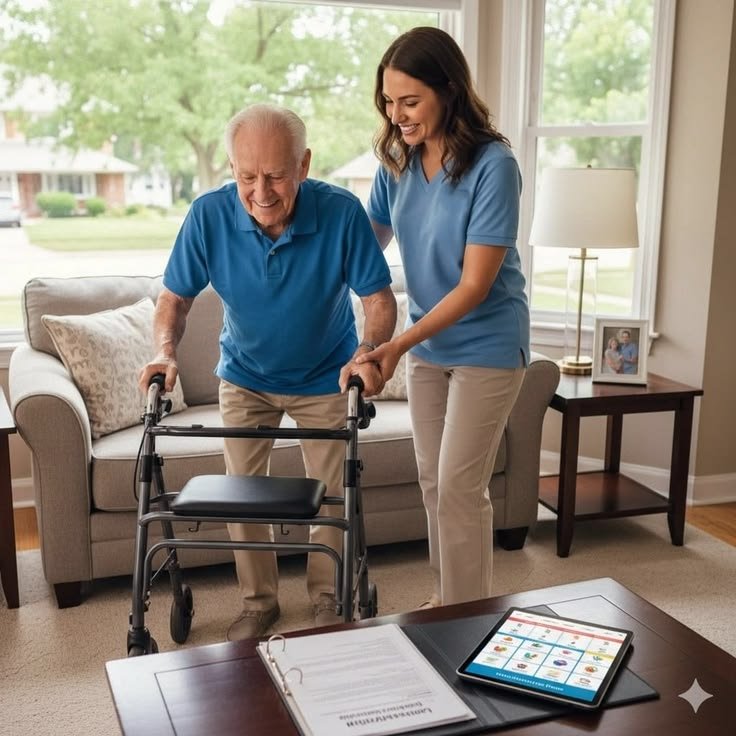
This is a business model I think deserves much more attention.
A senior concierge service isn’t about replacing medical care.
It’s about helping older adults and their families with everyday non-medical tasks and coordination.
For example:
- Errand assistance
- Appointment transportation
- Grocery pickup
- Technology help
- Bill-payment assistance
- Home-service coordination
- Companionship visits
- Travel assistance
International businesses are already building specialised services around older adults and family caregiving.
For example, Envoy America provides dedicated transportation services for hospitals and senior-care facilities across the US.
How I would adapt the idea
I’d create a trusted local membership service.
For example:
₹2,000–₹5,000/month
with a fixed number of assistance hours or services.
The real product wouldn’t simply be transportation.
It would be:
Trust + reliability + convenience.
Rough starting investment
₹1 lakh–₹4 lakh
The challenge would be hiring trustworthy people and creating strong safety and verification procedures.
9. Reusable Packaging as a Service
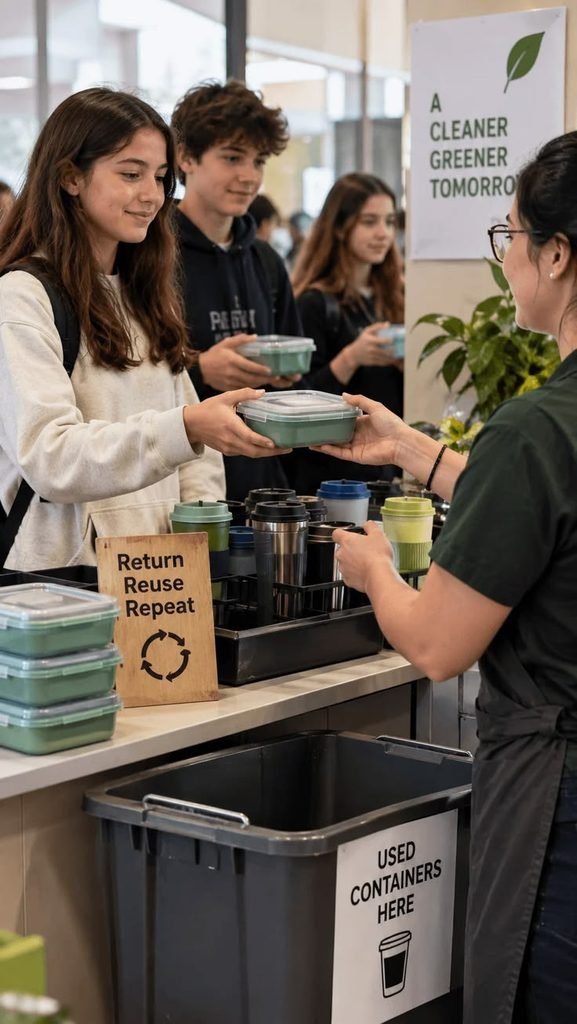
This one moves away from consumer businesses and into B2B.
Imagine an e-commerce or manufacturing company that doesn’t want to keep buying disposable packaging.
Instead, another company provides reusable boxes or containers, tracks them, collects them, cleans or maintains them and sends them back into circulation.
That’s essentially Packaging-as-a-Service.
Returnity, for example, builds reusable packaging systems for retailers, manufacturers and logistics companies. It says its systems have already reached more than a million shipments and deliveries per month.
FedEx also announced a reusable packaging solution developed with Returnity in 2026.
My Indian version
I wouldn’t try to compete with giant logistics companies immediately.
I’d target one niche.
For example:
Reusable packaging for local manufacturers.
Or:
Reusable crates for restaurant suppliers.
Or:
Reusable delivery boxes for D2C brands.
The customer pays based on usage rather than buying the entire packaging system.
Rough starting investment
₹5 lakh–₹20 lakh+
This is more capital-intensive than the previous ideas, but the B2B contracts could potentially be much larger.
Why I find it exciting
The interesting part isn’t the box.
It’s the system around the box.
10. Subscription-Based “Access Instead of Ownership” Business
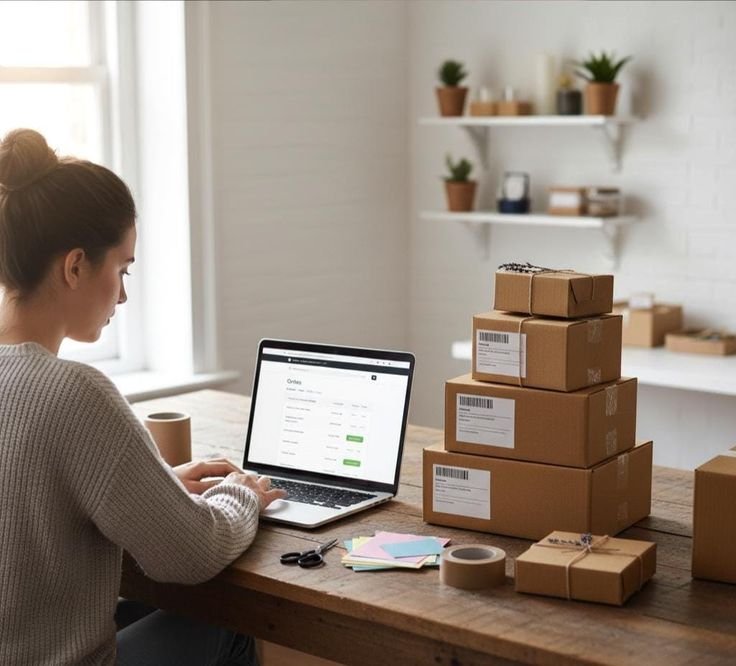
This final idea is more of a business model than one specific product.
And honestly, this is the model I’d watch closely.
Instead of selling someone a product permanently, you give them regular access.
We’ve already seen this concept work internationally through things such as tool libraries, rental platforms and subscription services. The Toronto Tool Library, for example, uses membership to give people access to tools rather than requiring them to buy every tool themselves.
What could this look like in India?
Instead of copying an existing foreign company, I’d pick one category.
For example:
Kids’ toy rotation subscription
Parents receive a box of toys, return them and receive a new selection.
Or:
Party equipment membership
Members can borrow:
- Projectors
- Speakers
- Party lights
- Tables
- Decor
- Games
Or:
Camping equipment rental membership
Members get access to:
- Tents
- Sleeping bags
- Camping tables
- Cooking equipment
- Outdoor accessories
Rough starting investment
₹1 lakh–₹5 lakh
The exact amount depends completely on what you’re renting.
The question I’d ask
Before buying another product, I’d ask:
“How often will the customer actually use this?”
If the answer is only a few times a year, renting or subscribing may make more sense than ownership.
What I Would Actually Look For in India
After researching these ideas, I don’t think the biggest opportunity is simply to copy a business from the US or Europe.
India has different:
- Prices
- Consumer habits
- Regulations
- Infrastructure
- Family structures
- Housing patterns
- Labour costs
- Payment behaviour
So copying a foreign business exactly could fail.
Instead, I’d copy the problem being solved.
For example:
BabyQuip: Don’t copy the website. Solve the problem of travelling with bulky baby equipment.
Tool Library: Don’t copy the exact membership. Solve the problem of buying expensive tools that people rarely use.
Micro-market: Don’t copy the American office setup. Solve the problem of getting food and essentials conveniently inside large buildings.
Mobile bike repair: Don’t copy the van. Solve the problem of customers wasting time taking their bike to a workshop.
That’s where I think the real opportunity is.
How I’d Test One of These Ideas Without Losing Too Much Money
This is probably the most important part of the article.
If I found a business booming abroad, I wouldn’t immediately spend ₹10 lakh trying to recreate it in India.
I’d test it first.
Step 1: Pick one city
I wouldn’t launch across India.
I’d choose one city or even one neighbourhood.
Step 2: Find the customer
I’d talk to at least 20–30 potential customers.
Not friends who say:
“Bro, this is a great idea.” 😂
Actual potential customers.
Step 3: Ask about the problem
I’d ask:
“How do you currently solve this problem?”
“How much does it cost you?”
“What is annoying about the current solution?”
“Would you pay for a better option?”
Step 4: Create a simple offer
Before building an app, I’d make a WhatsApp Business account and a simple landing page.
That’s enough to test the first version.
Step 5: Try to get the first 5–10 customers
If nobody is willing to pay ₹500, ₹1,000 or ₹5,000 for the service, depending on the model, I wouldn’t rush into buying equipment worth lakhs.
Step 6: Expand only after validation
Once people are actually paying, I can reinvest the money into:
- Equipment
- Staff
- Website
- App
- Inventory
- Advertising
- Partnerships
That is much safer than building the entire business first and hoping customers appear later.
My Final Take
The most interesting business ideas aren’t always completely new.
Sometimes they are old problems solved in a new way.
A tool library turns ownership into access.
Baby gear rental turns bulky equipment into a temporary service.
Mobile bike repair turns a workshop into a vehicle.
A micro-market turns a vending machine into a mini-store.
Professional organising turns a messy home into a service opportunity.
Reusable packaging turns a disposable expense into a circular system.
And that’s what I would look for when studying businesses in other countries.
I wouldn’t ask, “What business can I copy?”
I’d ask:
“What problem have people in another country already proven they will pay to solve, and can I create an Indian version that is cheaper, simpler or more convenient?”
That question can lead to much more interesting business opportunities than simply copying another list of popular businesses.
And who knows?
The business model that looks strange in India today could become completely normal five years from now.
International examples and useful links
Returnity — reusable packaging systems
BabyQuip — baby gear rental marketplace
NAPO — professional organising industry association
Toronto Tool Library — tool-sharing membership model
Repair Café International — repair café model
Scoop Soldiers — pet waste removal business
Canteen — US micro-market model
Velofix — mobile bike repair model
Envoy America — senior transportation/concierge model